
Basic Dog Training: A Comprehensive Guide for Beginners
Discover effective dog training techniques to teach basic commands and good behavior to your furry friend.
Why Dog Training Matters More Than You Think
Dog training is often viewed as a way to teach tricks or correct bad behavior, but it's fundamentally about communication. When a dog doesn't understand what we expect from them, frustration builds on both sides—leading to stress, anxiety, and broken bonds. This guide addresses the core challenge new dog owners face: how to establish clear communication without relying on outdated, fear-based methods.
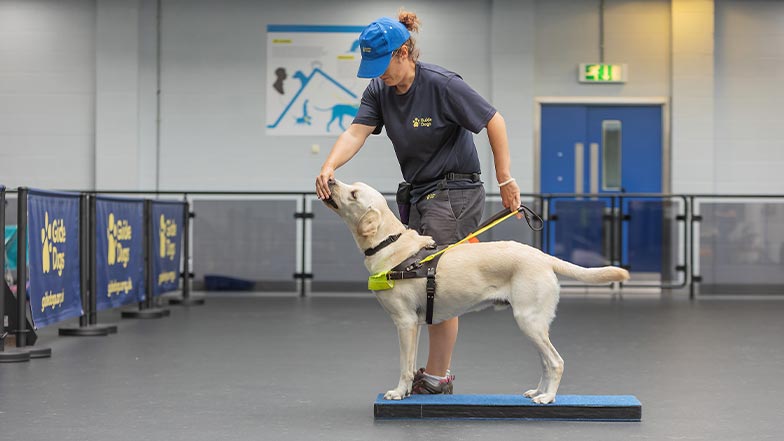
What Most New Owners Get Wrong
In my 15 years working with dogs and their owners, I've observed a consistent pattern: new owners often start training with enthusiasm but quickly become discouraged when results don't come overnight. The most common mistakes include inconsistent commands, delayed rewards, and reacting to bad behavior instead of preventing it. For example, a puppy that's allowed to jump on guests sometimes but scolded other times will only become confused about what's expected.
The Limitations of Traditional Training
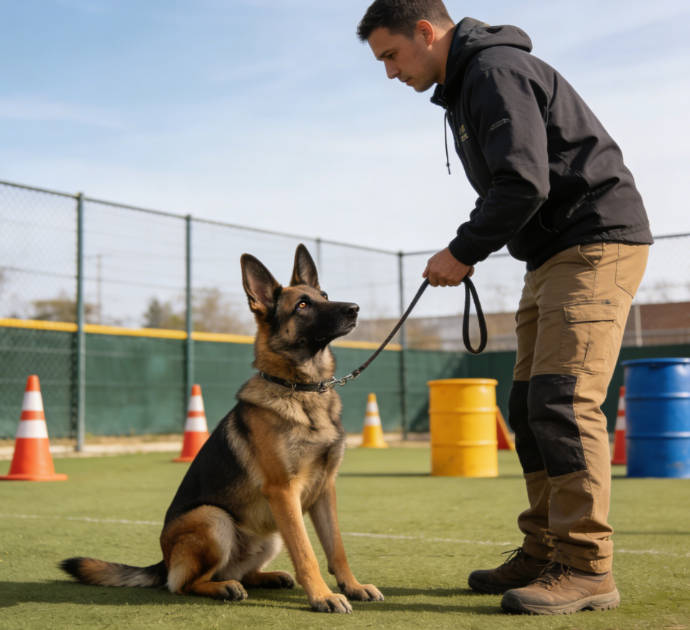
Traditional dog training methods often rely on dominance theory—a concept discredited by modern animal behavior science. These approaches use corrections, leash jerks, or verbal reprimands to "show who's boss." While they might produce short-term compliance, they damage the human-dog bond and can lead to long-term behavioral issues like fear or aggression. Today's most effective trainers recognize that dogs learn best through positive reinforcement, not punishment.
My 3-Pillar Approach to Effective Training
- Clear Communication: Use consistent verbal cues and body language
- Positive Reinforcement: Reward desired behaviors immediately and generously
- Prevention First: Set your dog up for success by managing their environment
This framework works because it aligns with how dogs naturally learn. By focusing on what your dog does right instead of punishing what they do wrong, you'll build a relationship based on trust and mutual respect.
Mastering Basic Commands
1. Sit: The Foundation of Control
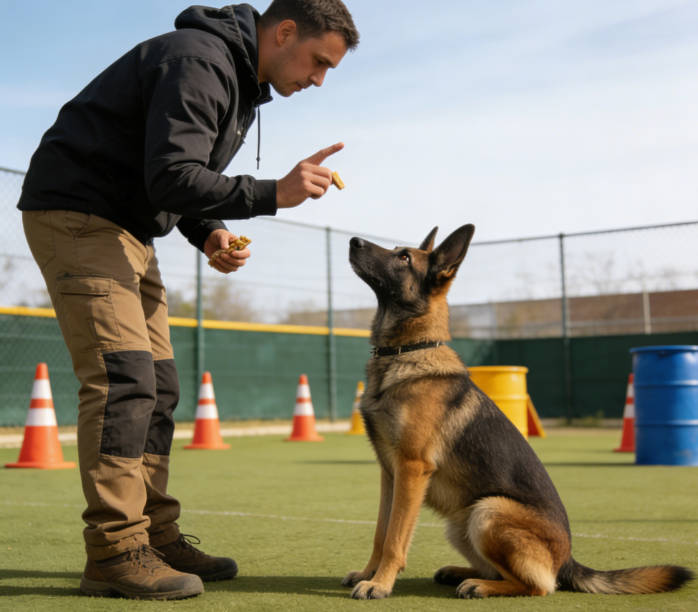
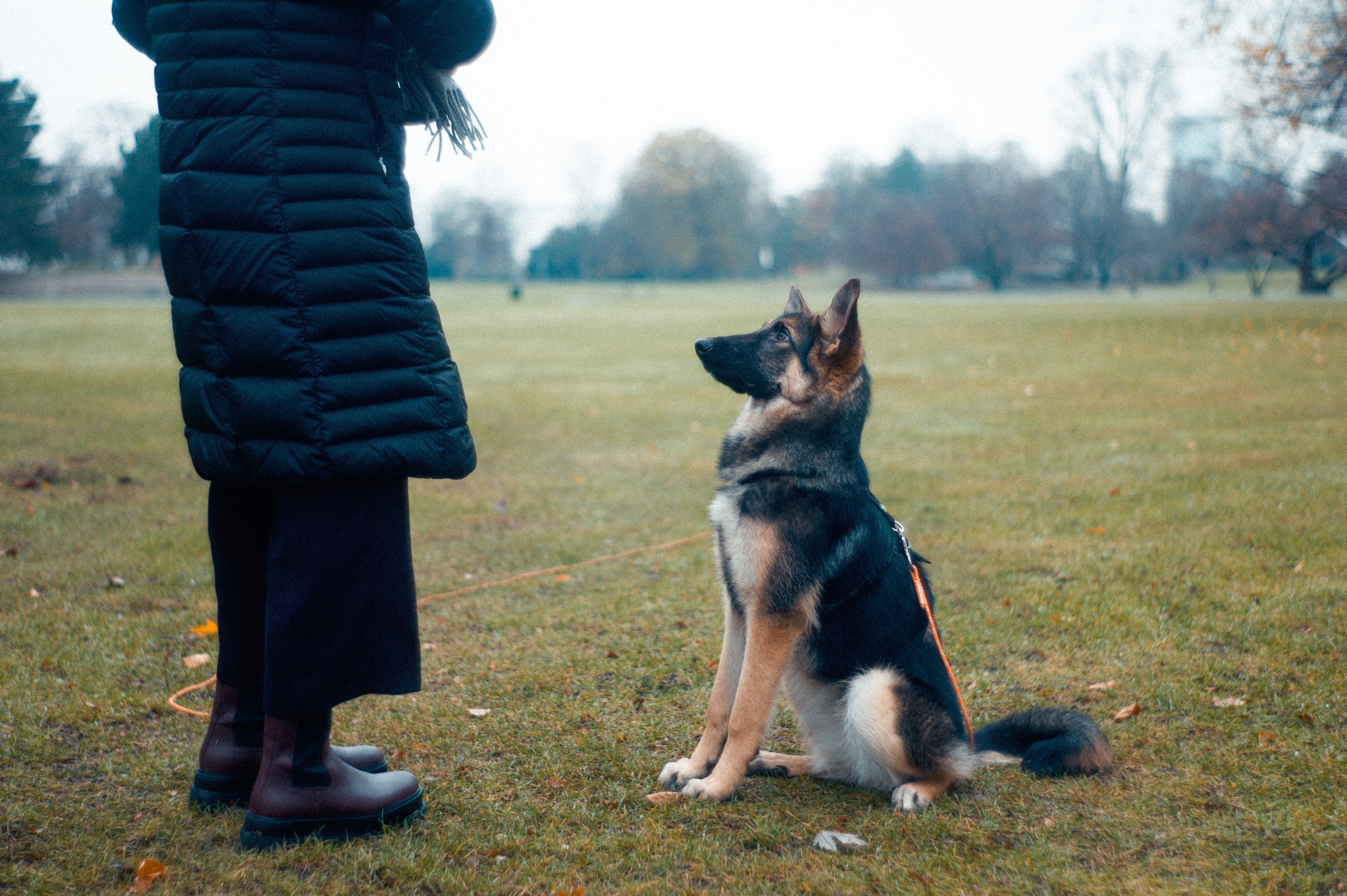
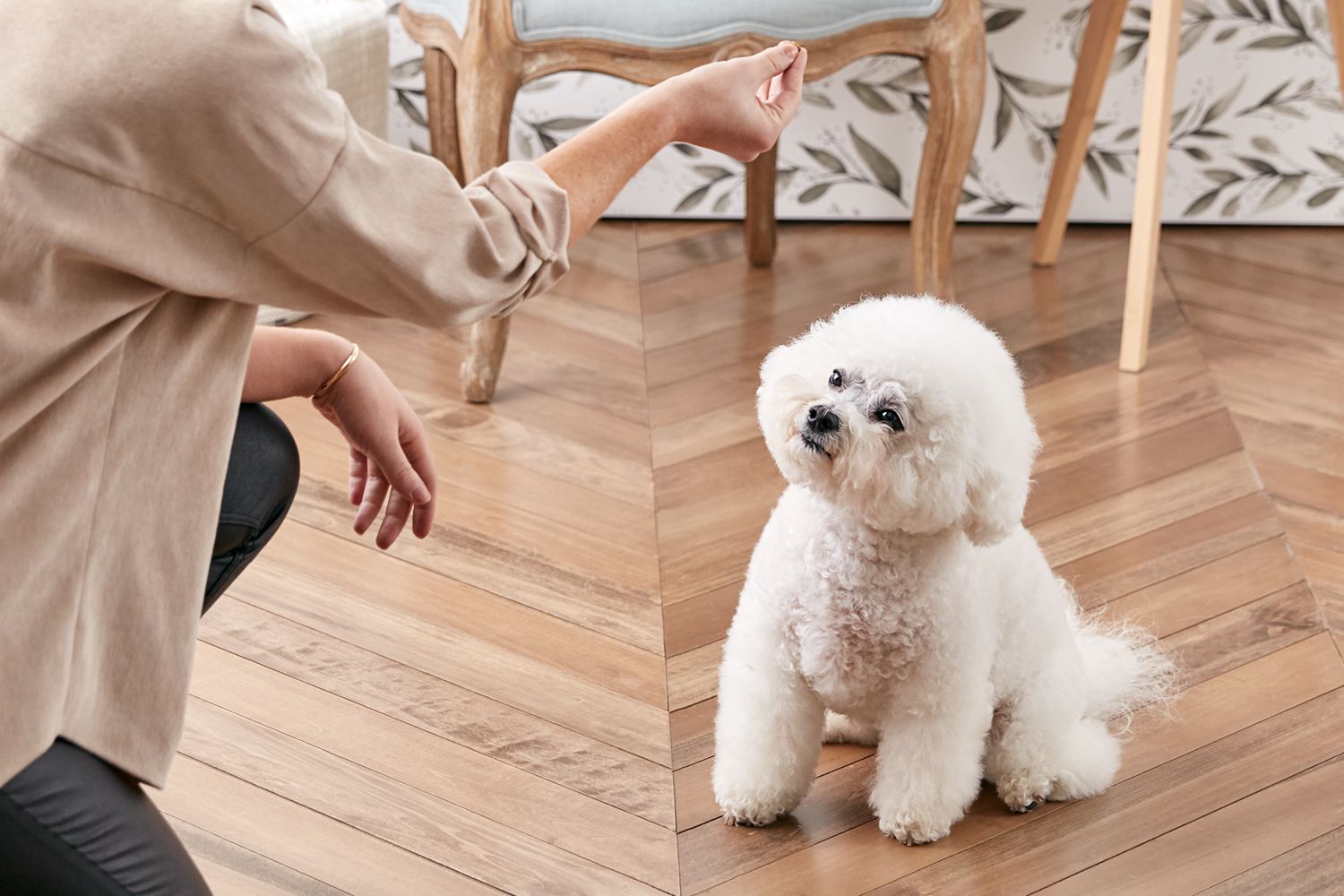
Why it works: Teaching "sit" establishes impulse control and creates a calm state of mind. Common mistake: Pushing your dog's rear down—this can create resistance. Correct approach: Hold a treat above your dog's nose, move it back over their head, and reward when they sit naturally.
2. Come: The Most Important Safety Command
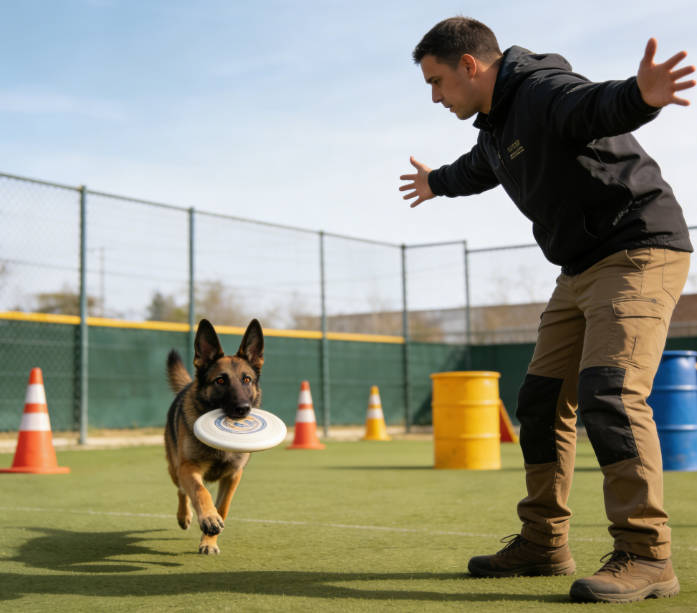
Why it works: A reliable recall can save your dog's life in dangerous situations. Common mistake: Calling your dog for something unpleasant (like a bath). Correct approach: Always reward a return with high-value treats, and never punish your dog for coming to you.
3. Stay: Building Patience and Focus
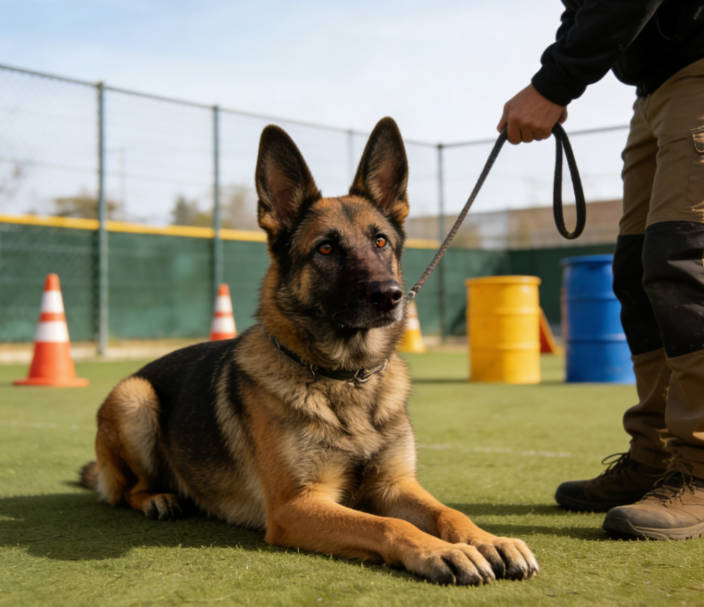
Why it works: "Stay" teaches your dog to wait for your permission, reducing impulsive behaviors. Common mistake: Releasing your dog too early. Correct approach: Start with short durations and gradually increase, always ending on a positive note.
Training Myths to Avoid
Myth 1: You need to be the "alpha" to control your dog. Reality: Dogs don't have a human-like hierarchy—they respond to consistent leadership and positive reinforcement.
Myth 2: Punishment is necessary for bad behavior. Reality: Punishment suppresses behavior temporarily but doesn't teach what's right. It also increases anxiety and aggression in 63% of dogs (source: American Veterinary Society of Animal Behavior).
Myth 3: Older dogs can't learn new tricks. Reality: Dogs of all ages can learn—senior dogs may just need shorter training sessions and more patience.
By Pet Expert JamesTraining a dog is not about dominance; it's about building trust and understanding between you and your furry companion.
Evidence: The Power of Positive Reinforcement
A 2023 study published in the Journal of Veterinary Behavior found that dogs trained with positive reinforcement showed 85% higher compliance rates than those trained with aversive methods. They also displayed lower cortisol levels (a stress hormone) and were more eager to participate in training sessions.
Your 7-Day Training Plan
Day 1-2: Focus on "sit"—practice 5-10 times a day in short 5-minute sessions.
Day 3-4: Add "come"—start in a distraction-free area and gradually increase difficulty.
Day 5-7: Introduce "stay"—begin with 1-2 second stays and build up to 30 seconds.
Pro tip: End every training session on a positive note, even if it doesn't go perfectly. This keeps your dog motivated and eager to learn next time.
Author's Insight: Beyond Commands
Dog training isn't just about teaching commands—it's about creating a partnership. The most successful owners view training as a lifelong process, not a one-time task. Remember that every interaction with your dog is a learning opportunity, whether you're walking, playing, or just relaxing together.
The Journey Ahead
Basic dog training lays the foundation for a happy, well-adjusted pet and a fulfilling relationship. By using clear communication, positive reinforcement, and consistency, you'll not only teach your dog good behavior but also strengthen the bond between you. Don't be discouraged by setbacks—every dog learns at their own pace, and the effort you put in now will pay off for years to come.






David Chen
January 18 2025Your guide to pet nutrition is incredible! I've already started implementing the dietary changes you suggested for my dog, and I'm seeing a noticeable improvement in his energy levels. The tips on portion control have been especially helpful.
ReplySarah Johnson
January 16 2025As a new cat owner, I found your insights on feline behavior fascinating. The section on litter box training has been incredibly helpful, and my kitten is now fully trained! Thank you for sharing such valuable pet care knowledge!
Reply