
Cat Training Basics: Litter Box Training & Beyond
The Myth of Untrainable Cats
Cat owners often face a common frustration: they believe their feline companions are inherently untrainable. This misconception leads to behavioral issues like litter box avoidance, scratching furniture, and aggression—problems that could be resolved with proper training techniques. Contrary to popular belief, cats are highly trainable when approached with the right methods tailored to their unique psychology.
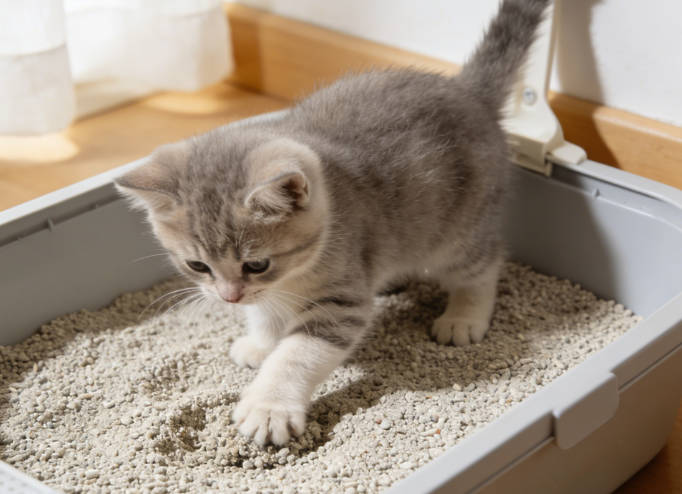
Lessons from Feline Behavioral Consultation
In my 15 years as a certified feline behavior consultant, I've worked with hundreds of cat owners struggling with training challenges. One memorable case involved Max, a 2-year-old tabby who refused to use his litter box consistently. After observing his environment and interactions, I discovered the issue wasn't defiance but a lack of proper litter box setup and positive reinforcement.
By implementing simple changes—like adding a second litter box in a quiet location and rewarding him with treats for correct use—Max's behavior improved dramatically. This experience taught me that most "behavioral problems" in cats stem from unmet needs or miscommunication, not stubbornness.
Common Training Misconceptions
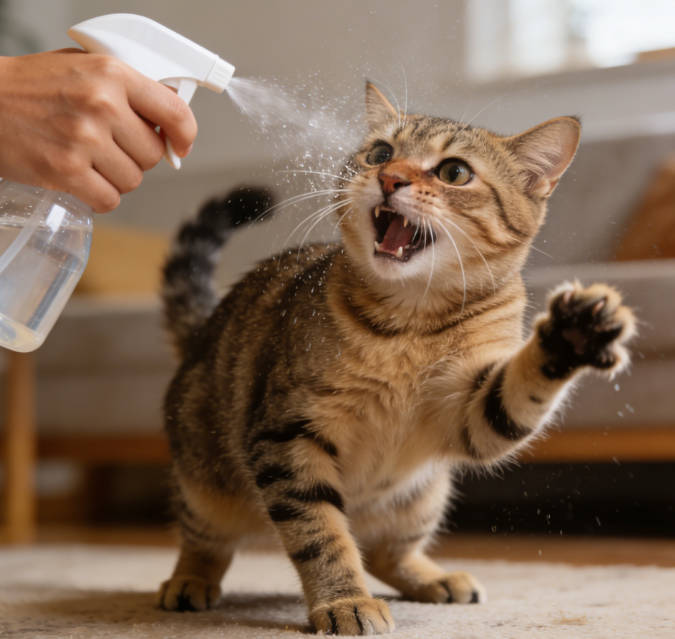
The current approach to cat training often relies on outdated methods borrowed from dog training, which don't account for feline psychology. Punishment-based techniques, like spraying cats with water, may stop unwanted behavior temporarily but create fear and damage the human-cat bond.
Another common mistake is expecting cats to follow commands like dogs. Cats are independent creatures motivated by different rewards—typically food, play, or affection. Traditional dog training frameworks simply don't translate well to feline behavior.
The Feline-Centric Training Framework
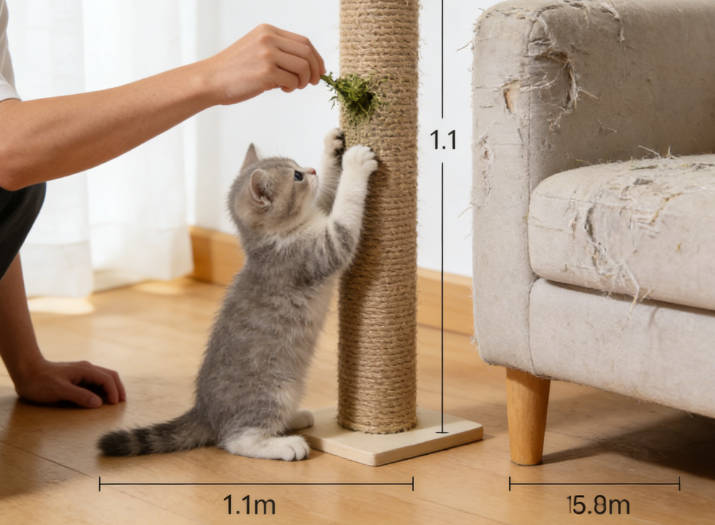
My approach to cat training is based on three fundamental principles:
- Respect for Natural Behavior: Work with your cat's instincts, not against them. For example, provide appropriate scratching surfaces instead of trying to eliminate scratching entirely.
- Positive Reinforcement Only: Reward desired behaviors immediately with high-value treats or play. Ignore unwanted behaviors whenever possible.
- Consistency and Patience: Cats learn through repetition and routine. Training sessions should be short (5-10 minutes) and frequent rather than long and infrequent.
Essential Training Components
1. Litter Box Mastery
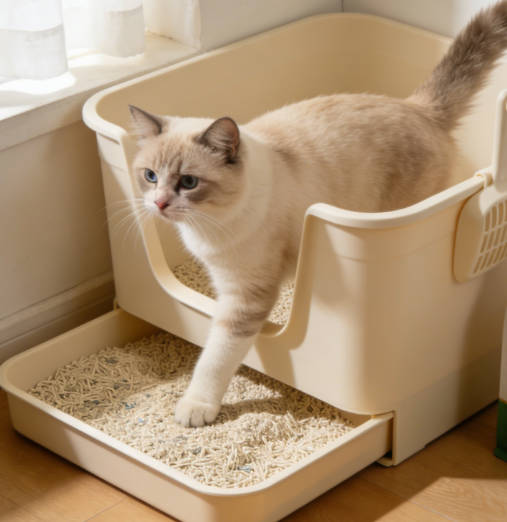
The foundation of cat training is proper litter box use. Cats are naturally clean animals, but issues arise due to box location, size, type, or cleanliness. Most cats prefer large, uncovered boxes with unscented clumping litter, placed in quiet, accessible locations.
Common mistake: Using scented litter or placing the box near food or noisy appliances. Cats have sensitive noses and avoid areas that feel unsafe.
2. Scratching Redirect
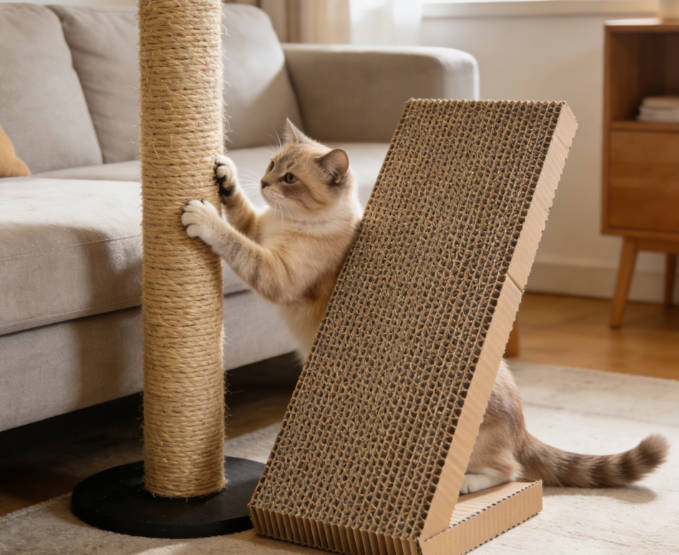
Scratching is a natural behavior for cats—it helps them mark territory and maintain healthy claws. Provide multiple scratching posts of different materials (sisal, cardboard, carpet) placed in areas where your cat already scratches.
Correct approach: Reward your cat with treats and praise when they use the scratching post, and cover furniture with double-sided tape temporarily to deter unwanted scratching.
3. Basic Commands
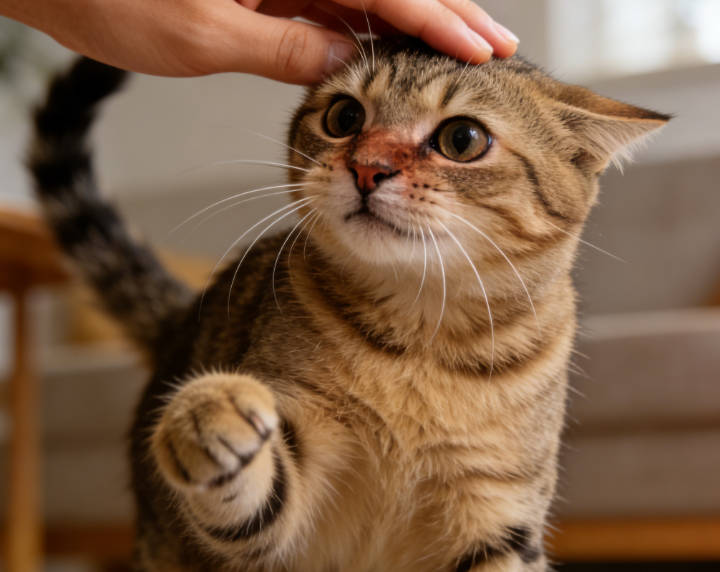
Cats can learn simple commands like "sit," "come," and "high-five" using clicker training. The key is to associate the click with a reward and break down commands into small, manageable steps.
Training Methods to Avoid
Punishment-based training is the most ineffective approach for cats. Spraying water, yelling, or physical punishment creates fear and anxiety, which can lead to more serious behavioral issues like aggression or inappropriate elimination.
Another ineffective method is forcing your cat to do something they don't want to do, like holding them for extended periods or dragging them to the litter box. This undermines trust and makes future training more difficult.
Avoid using training devices designed for dogs, like shock collars or choke chains. These are cruel and dangerous for cats.
Science Backing Feline Trainability
Research confirms that cats are capable of complex learning. A 2022 study published in the Journal of Veterinary Behavior found that 85% of cats can learn to use a litter box correctly with proper setup and positive reinforcement.
Another study from the University of Lincoln demonstrated that cats can learn up to 16 different commands using clicker training, with food rewards being the most effective motivator.
The American Association of Feline Practitioners reports that 70% of litter box issues can be resolved through environmental modifications and positive reinforcement training.
Implementing Your Training Plan
Here are actionable steps to start training your cat:
- Assess the environment: Ensure your cat has access to appropriate resources (litter boxes, scratching posts, hiding spots) before starting training.
- Choose high-value rewards: Find treats your cat loves (like freeze-dried chicken or tuna) to use during training sessions.
- Start small: Begin with simple behaviors like sitting or targeting (touching a stick with their nose) before moving to more complex commands.
- Be consistent: Train your cat at the same time each day, in the same location, with the same commands.
- End on a positive note: Keep training sessions short and always finish with a success, even if it's a simple command.
My Final Thoughts on Cat Training
After years of working with cats and their owners, I'm convinced that effective cat training is about communication, not control. Cats are intelligent, independent animals who respond best to methods that respect their natural instincts and motivations.
The most important lesson I've learned is that patience is key. Cats learn at their own pace, and rushing the process will only lead to frustration for both you and your pet. Celebrate small successes and remember that consistency over time yields the best results.
Finally, never underestimate the power of the human-cat bond. A strong, trusting relationship built on positive interactions is the foundation for successful training.
The Future of Cat Training
As our understanding of feline behavior continues to evolve, I'm optimistic about the future of cat training. We're seeing a shift away from punishment-based methods toward positive reinforcement techniques that honor a cat's natural instincts.
Advances in behavioral science are helping us develop more effective training protocols tailored specifically for cats. With these tools, more cat owners will be able to build stronger bonds with their feline companions and resolve common behavioral issues.
If you're struggling with cat training, remember that help is available. Consult with a certified feline behavior consultant who can provide personalized advice based on your cat's unique needs and personality.









David Chen
January 18 2025Your guide to pet nutrition is incredible! I've already started implementing the dietary changes you suggested for my dog, and I'm seeing a noticeable improvement in his energy levels. The tips on portion control have been especially helpful.
ReplySarah Johnson
January 16 2025As a new cat owner, I found your insights on feline behavior fascinating. The section on litter box training has been incredibly helpful, and my kitten is now fully trained! Thank you for sharing such valuable pet care knowledge!
Reply