
Pet Grooming 101: Essential Tips for Dog Owners
The Challenge of Canine Grooming
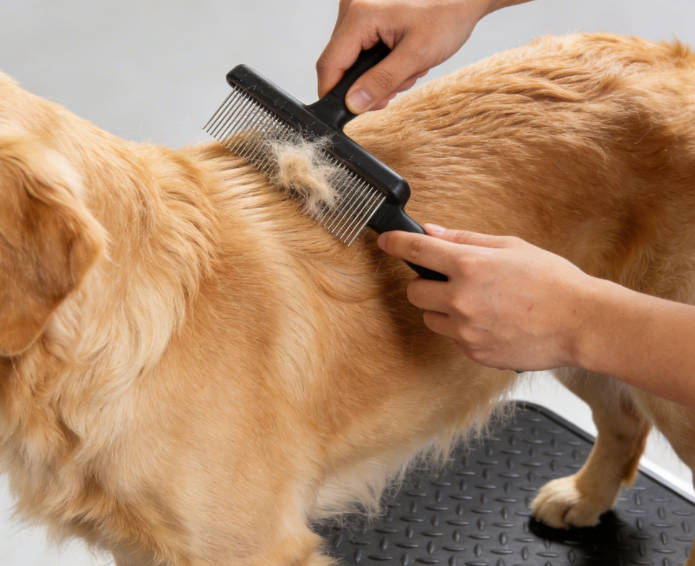
For most dog owners, grooming feels like a necessary chore rather than a meaningful bonding experience. A recent survey by the American Kennel Club found that 63% of dog owners struggle with maintaining a consistent grooming routine, citing time constraints, lack of knowledge, and pet resistance as the primary barriers. This gap between intention and execution leads to common issues like matting, skin infections, and behavioral problems during grooming sessions.
Lessons from Professional Grooming
As a certified professional groomer with over 12 years of experience, I've worked with more than 5,000 dogs across all breeds and temperaments. One memorable case involved Bella, a golden retriever whose owners avoided grooming due to her aggressive reactions. By implementing a structured, fear-free approach and teaching the owners basic maintenance techniques, we transformed Bella from a dog who hated being touched to one who now looks forward to grooming sessions.
The State of At-Home Dog Grooming
Today's dog owners face an overwhelming amount of grooming advice, much of which is breed-specific and conflicting. Social media platforms often showcase unrealistic standards of perfect coats, creating unnecessary pressure. Meanwhile, professional grooming costs have risen by 28% in the past five years, making regular salon visits unaffordable for many households. This has led to a rise in DIY grooming attempts that often result in mistakes like over-clipping, missed matting, or improper nail trimming.
My Grooming Framework
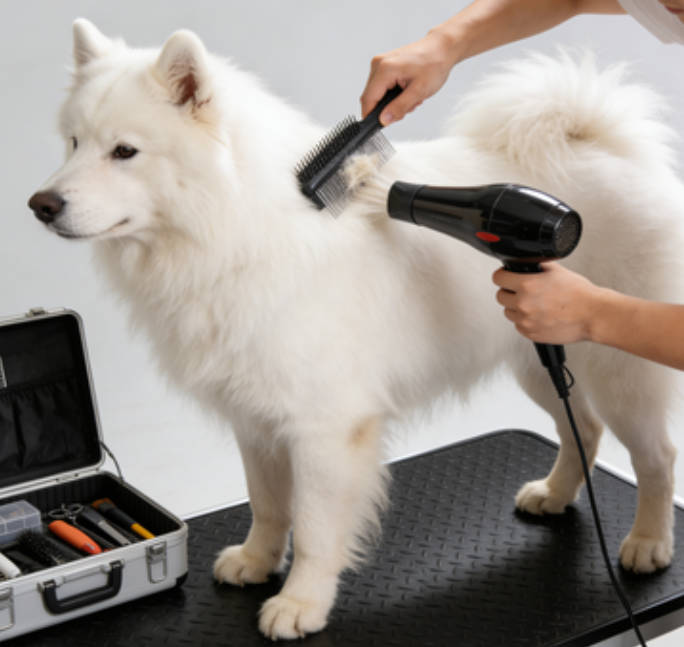
When evaluating grooming techniques, I use three non-negotiable criteria: safety, comfort, and breed-appropriateness. Safety means avoiding tools or methods that could harm the dog. Comfort ensures the experience is positive and builds trust. Breed-appropriateness recognizes that a Shih Tzu requires different care than a Labrador Retriever. This framework helps me create customized grooming plans that work for both the dog and owner.
Core Grooming Components
1. Coat Care
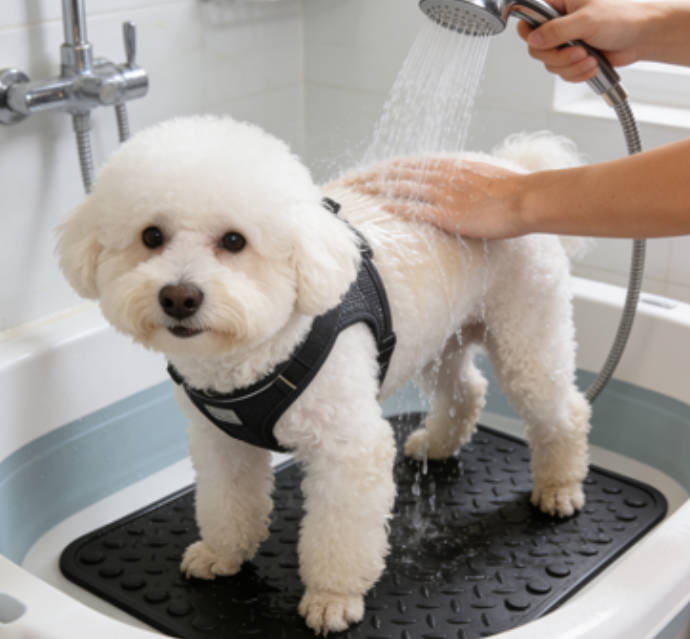
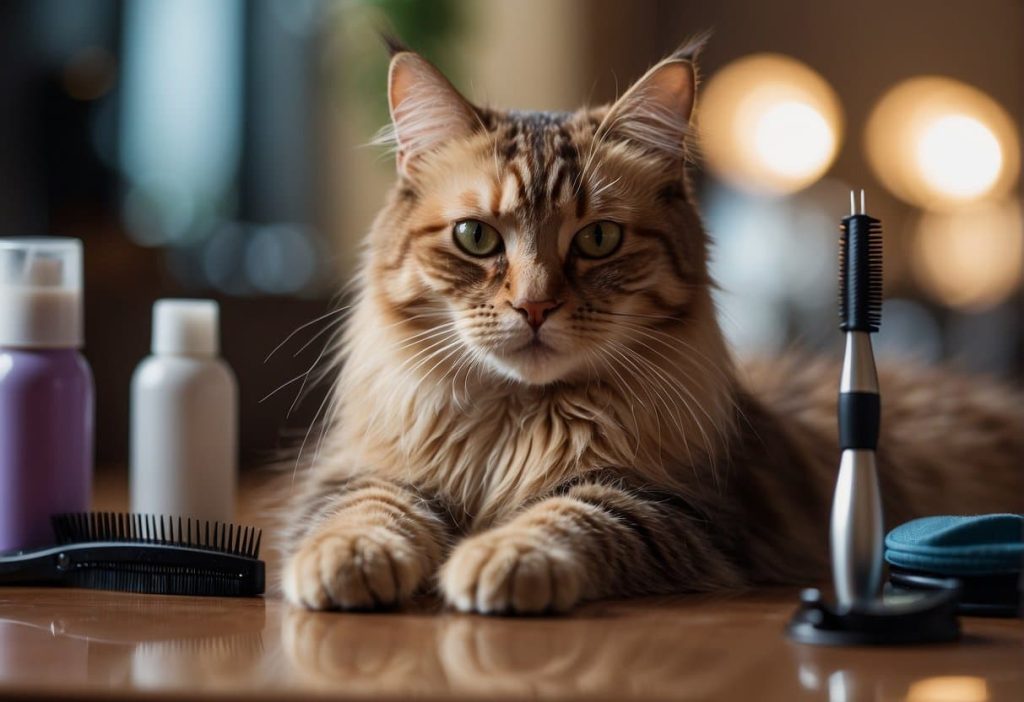
Regular brushing prevents matting and distributes natural oils. Long-haired breeds need daily brushing with a slicker brush, while short-haired breeds can manage with weekly sessions using a rubber curry comb. Common mistake: Using human shampoo, which disrupts the dog's pH balance. Correct approach: Use veterinary-formulated dog shampoo specific to your dog's coat type.
2. Nail Trimming
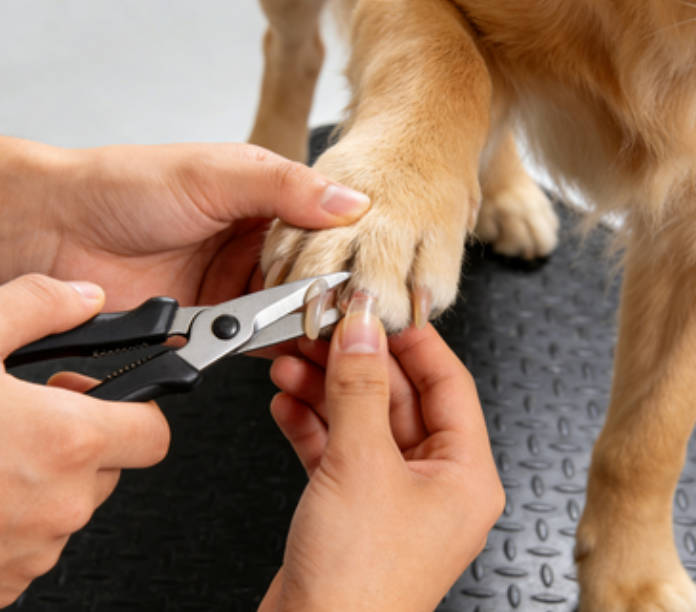
Overgrown nails cause pain and alter gait. Trim nails every 2-4 weeks, avoiding the quick (pink area containing blood vessels). If your dog has dark nails, trim small amounts frequently. Common mistake: Cutting too close to the quick, causing bleeding. Correct approach: Use a nail grinder for gradual trimming or seek professional help if unsure.
3. Ear Cleaning
Moisture in ears can lead to infections. Clean ears weekly using a vet-recommended solution and cotton balls (never Q-tips). Check for redness, odor, or discharge—signs of infection. Common mistake: Over-cleaning, which removes protective wax. Correct approach: Only clean the visible part of the ear canal.
When Standard Grooming Doesn't Work
Certain situations require specialized approaches. For dogs with severe anxiety, forced grooming sessions can worsen behavioral issues—consider sedated grooming under veterinary supervision instead. Dogs with skin conditions like mange or allergies should not be bathed frequently, as it can dry out their skin further. Brachycephalic breeds (short-nosed dogs like Bulldogs) require extra caution during blow-drying to avoid overheating.
Data-Backed Grooming Insights
A 2023 study published in the Journal of Veterinary Dermatology found that dogs receiving consistent grooming (at least once every 8 weeks) had 42% fewer skin infections compared to dogs with irregular grooming. Another study by the Association of Professional Dog Trainers showed that positive reinforcement during grooming reduced anxiety-related behaviors by 68% in just 3 sessions. These numbers demonstrate the tangible benefits of proper grooming practices.
Getting Started with At-Home Grooming
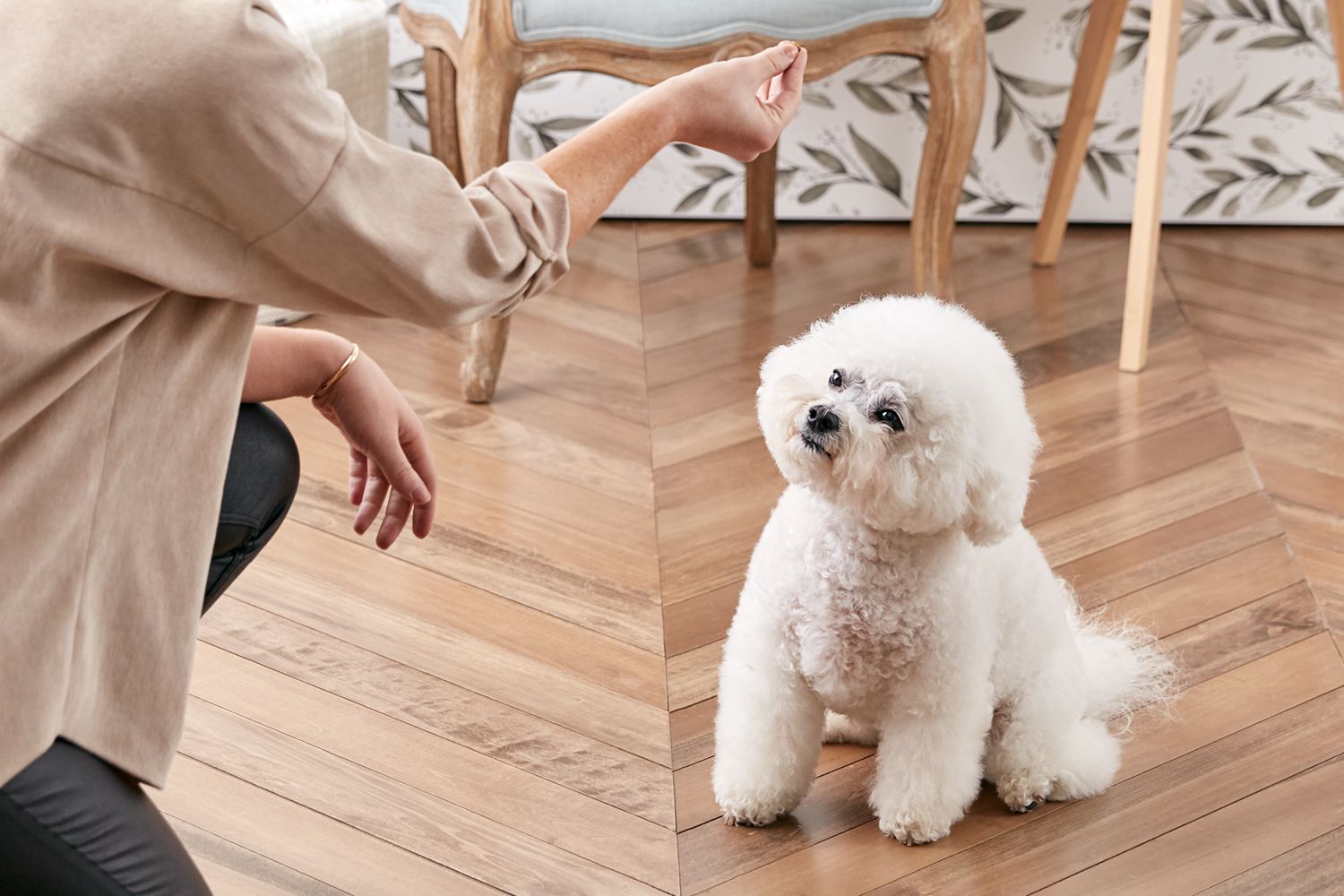
Begin with short, positive sessions—5-10 minutes daily—focusing on one area at a time. Use high-value treats and praise to create positive associations. Invest in quality tools: a good brush, nail clippers/grinder, ear cleaner, and dog-specific shampoo. Start grooming when your dog is relaxed, such as after exercise or a meal. Prioritize nail trimming and ear cleaning, as these are often neglected but crucial for health.
My Final Thoughts on Dog Grooming
Grooming is not about achieving a perfect appearance—it's about maintaining your dog's health and strengthening your bond. The most effective grooming routines are consistent, breed-appropriate, and centered around your dog's comfort. While professional grooming has its place, developing basic at-home skills can save money and reduce stress for both you and your pet. Remember that every dog is different; what works for one may not work for another.
The Future of Dog Grooming
As pet care continues to evolve, we're seeing a rise in fear-free grooming techniques and specialized products for sensitive dogs. Technology is also playing a role, with smart brushes that track grooming frequency and identify potential skin issues. My advice? Start small, be patient, and prioritize your dog's well-being over aesthetics. With time and practice, grooming can become one of the most rewarding parts of pet ownership.





David Chen
January 18 2025Your guide to pet nutrition is incredible! I've already started implementing the dietary changes you suggested for my dog, and I'm seeing a noticeable improvement in his energy levels. The tips on portion control have been especially helpful.
ReplySarah Johnson
January 16 2025As a new cat owner, I found your insights on feline behavior fascinating. The section on litter box training has been incredibly helpful, and my kitten is now fully trained! Thank you for sharing such valuable pet care knowledge!
Reply