
Pet Safety Tips for Traveling with Your Dog
The Challenge of Safe Dog Travel
More than 37% of dog owners take their pets on overnight trips each year, according to the American Pet Products Association's 2024-2025 survey. While traveling with your furry companion can be a rewarding experience, it also presents unique safety challenges. From car accidents to heatstroke, improper travel preparation can put your dog at serious risk. This guide addresses the most common travel safety concerns and provides actionable advice to ensure your next trip with your dog is both enjoyable and secure.
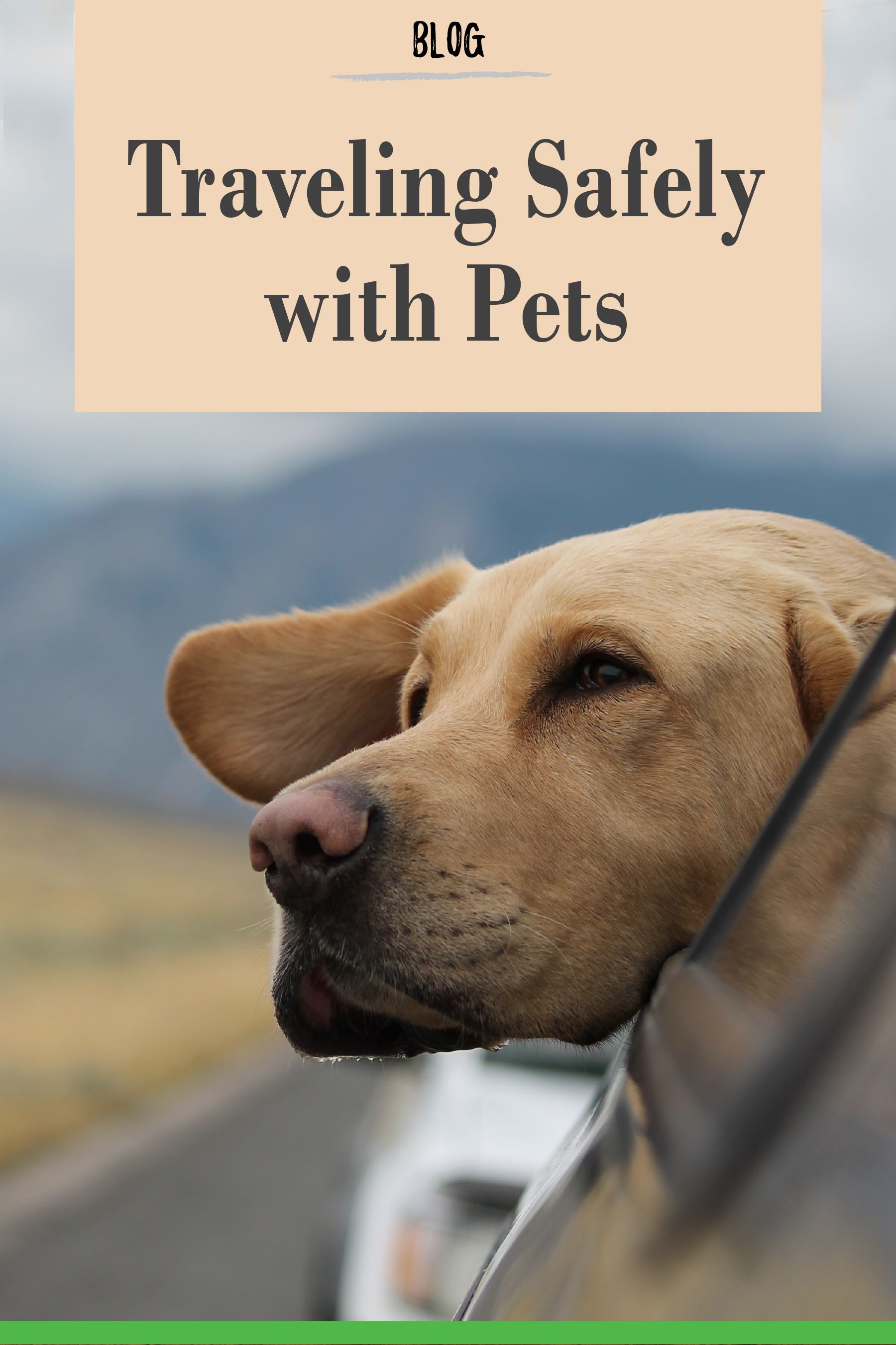
Lessons from the Road
As a certified pet travel specialist with over 10 years of experience, I've witnessed firsthand the consequences of inadequate travel preparation. One memorable case involved a family whose dog escaped from their car during a rest stop, ultimately requiring a three-day search before being found. Another family learned the hard way about the dangers of leaving a dog in a parked car when their beloved golden retriever suffered heatstroke during a short grocery stop. These experiences highlight why proper travel safety protocols are non-negotiable.
The State of Pet Travel Safety
Despite the growing number of pet-friendly accommodations and travel options, many dog owners still lack basic knowledge about safe travel practices. A 2023 study by the American Veterinary Medical Association found that 62% of dog owners do not use proper restraint systems in vehicles, and 41% admit to leaving their dogs unattended in cars for extended periods. Social media and popular culture often romanticize pet travel without emphasizing the safety precautions needed to protect our furry family members.
Our Safety Framework
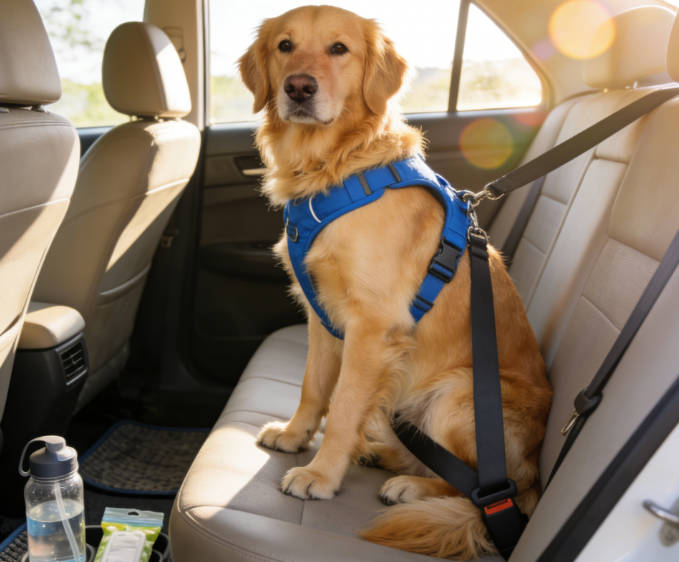
When evaluating pet travel safety measures, we use three critical criteria: crashworthiness, climate control, and containment. Crashworthiness refers to whether a restraint system has been tested and proven to protect dogs during collisions. Climate control ensures your dog remains comfortable in various temperatures, both inside and outside the vehicle. Containment means preventing escapes during travel and rest stops. This framework guides all our safety recommendations.
Essential Travel Safety Components
1. Vehicle Restraint Systems
The most common mistake dog owners make is allowing their pets to roam freely in the car. This not only puts the dog at risk during accidents but also distracts the driver. A properly fitted crash-tested harness or crate is essential. For harnesses, look for models certified by the Center for Pet Safety (CPS). For crates, ensure it's secured to the vehicle using seatbelts or tie-down straps and is appropriately sized for your dog.
2. Pre-Trip Health Preparation
Before any trip, schedule a veterinary check-up to ensure your dog is healthy enough for travel. Update all vaccinations, obtain a health certificate if traveling across state or international borders, and ensure your dog is microchipped with up-to-date contact information. If your dog experiences anxiety during travel, consult your vet about safe sedation or calming aids.
3. Travel Kit Essentials
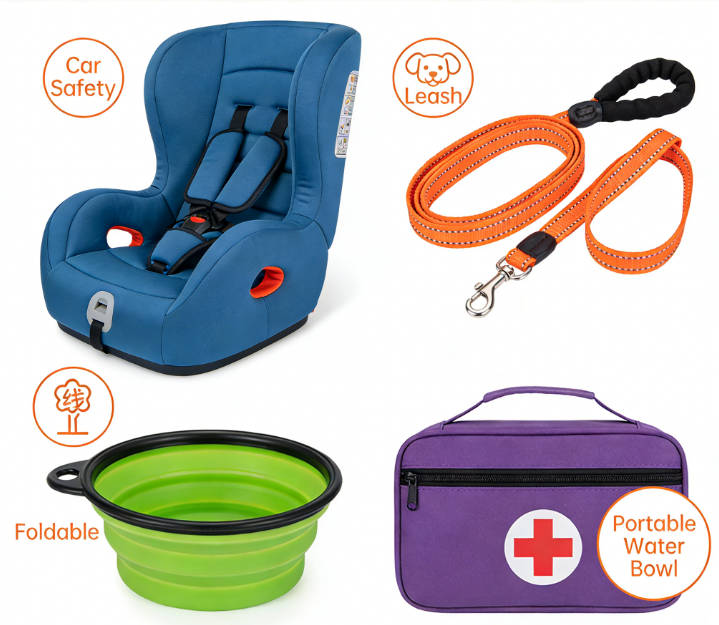
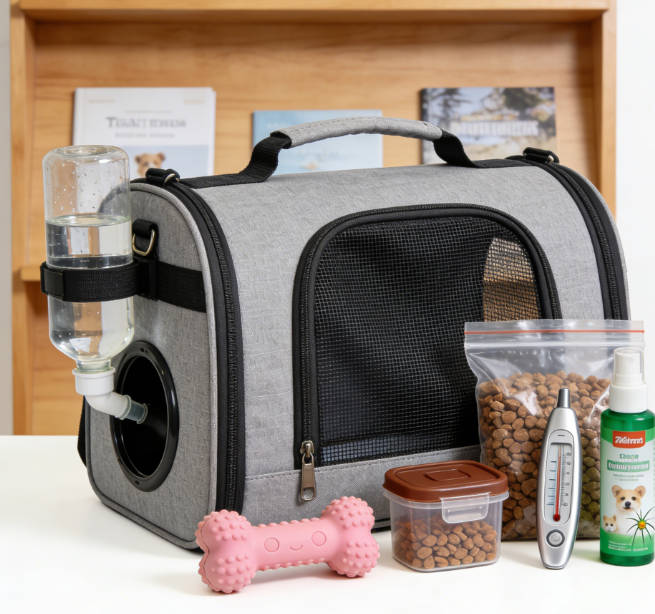
Every dog travel kit should include: a first-aid kit specifically for pets, ample food and water for the duration of the trip plus extra, bowls, a leash and collar with ID tags, waste bags, familiar bedding or toys, and any medications your dog needs. For longer trips, pack grooming supplies and a portable crate or playpen for rest stops.
What Doesn't Work for Dog Travel
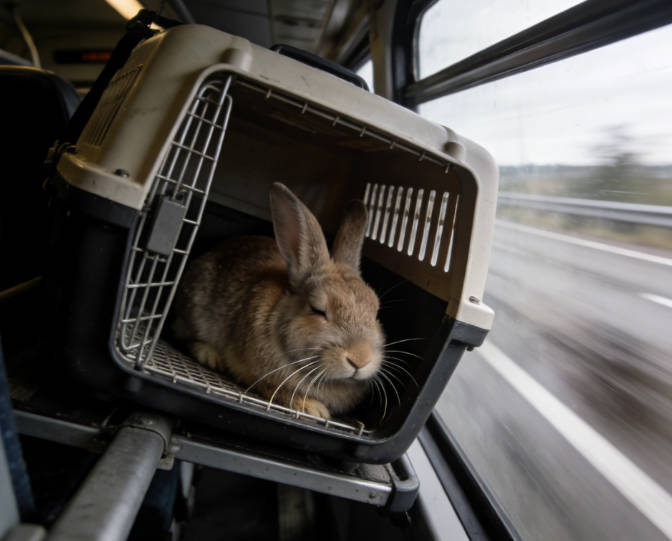
Not all travel methods are suitable for every dog. For example, small dogs may feel insecure in large crates, while giant breeds may be too heavy for some harness systems. Front-seat travel is never recommended due to airbag dangers for dogs of all sizes. Additionally, sedating dogs for air travel can be risky, especially for brachycephalic breeds (pugs, bulldogs) who already have breathing difficulties. Finally, leaving dogs alone in vehicles, even with cracked windows, can lead to fatal heatstroke within minutes, even on mild days.
Data-Backed Safety Insights
According to a study published in the Journal of Veterinary Emergency and Critical Care, dogs properly restrained in vehicles are 75% less likely to be injured or killed in accidents. The Humane Society reports that temperatures inside a parked car can rise by 20 degrees Fahrenheit in just 10 minutes, even when the outside temperature is as low as 60°F. A 2023 survey by AAA found that 84% of pet owners who use crash-tested restraints reported feeling more confident and less distracted while driving with their dogs.
Implementing Safe Travel Practices
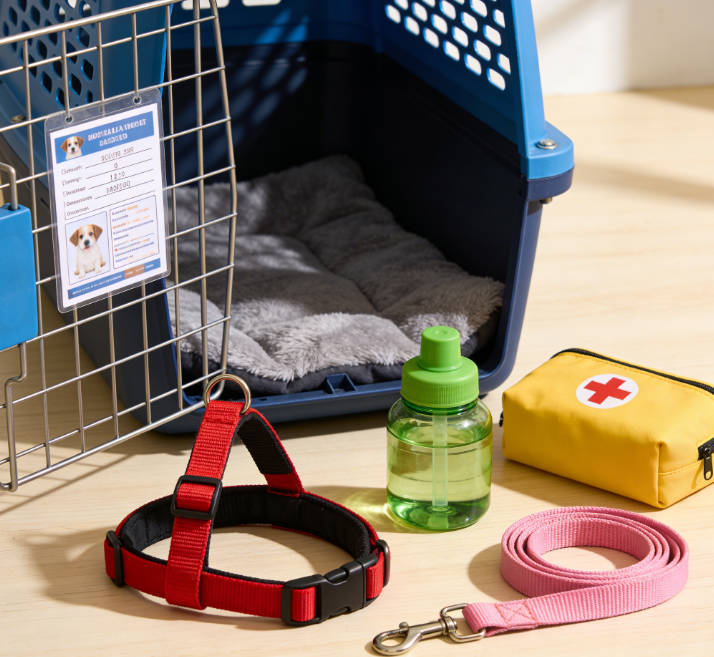
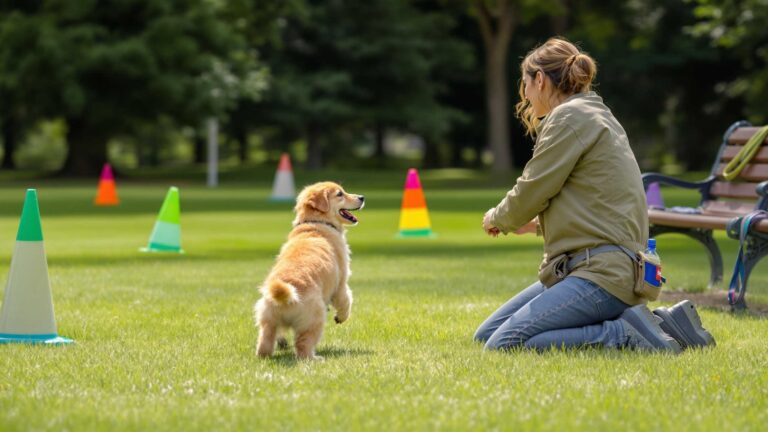
Start preparing your dog for travel at least 2-3 weeks in advance. Gradually introduce them to their crate or harness by having them wear it for short periods at home, then in the car during short drives. Plan your route with pet-friendly rest stops every 2-3 hours to allow your dog to stretch, relieve themselves, and hydrate. Never leave your dog unattended in the car, even for "just a minute." For air travel, book direct flights whenever possible and choose flights during moderate temperatures to minimize climate-related risks.
Prioritizing Safety Over Convenience
After a decade in the pet travel industry, I've learned that safe travel requires planning and prioritization. While it may be tempting to take shortcuts, like allowing your dog to sit on your lap or skipping the crate, these decisions can have tragic consequences. The small investment in proper equipment and preparation is well worth the peace of mind knowing your furry companion is protected. Remember, your dog relies on you to make the safest choices for them during travel.
The Future of Safe Pet Travel
As pet travel continues to grow in popularity, we can expect to see improved safety regulations and innovative products designed specifically for traveling dogs. Automakers are already beginning to incorporate pet-friendly features into their vehicles, such as built-in pet barriers and climate control systems with pet monitoring. By staying informed about the latest safety guidelines and products, dog owners can ensure their travel experiences with their furry companions remain safe and enjoyable for years to come.








David Chen
January 18 2025Your guide to pet nutrition is incredible! I've already started implementing the dietary changes you suggested for my dog, and I'm seeing a noticeable improvement in his energy levels. The tips on portion control have been especially helpful.
ReplySarah Johnson
January 16 2025As a new cat owner, I found your insights on feline behavior fascinating. The section on litter box training has been incredibly helpful, and my kitten is now fully trained! Thank you for sharing such valuable pet care knowledge!
Reply