
Positive Reinforcement Training: A Gentle Approach to Pet Behavior
The Importance and Challenges of Positive Reinforcement Training
As an animal behaviorist with 20 years of experience, I've witnessed the transformation in pet training from traditional punishment-based methods to modern scientific approaches. Today, positive reinforcement training is widely recognized as the most effective method for pet training, yet many owners still have misconceptions about its principles and applications: What is true positive reinforcement training? Is it really more effective than traditional methods?
The answers to these questions matter not just for your pet's behavior, but for their mental health and the quality of your relationship. Incorrect training methods can lead to fear, anxiety, and even aggression, while proper positive reinforcement builds trust, strengthens bonds, and fosters long-term good behavior habits.
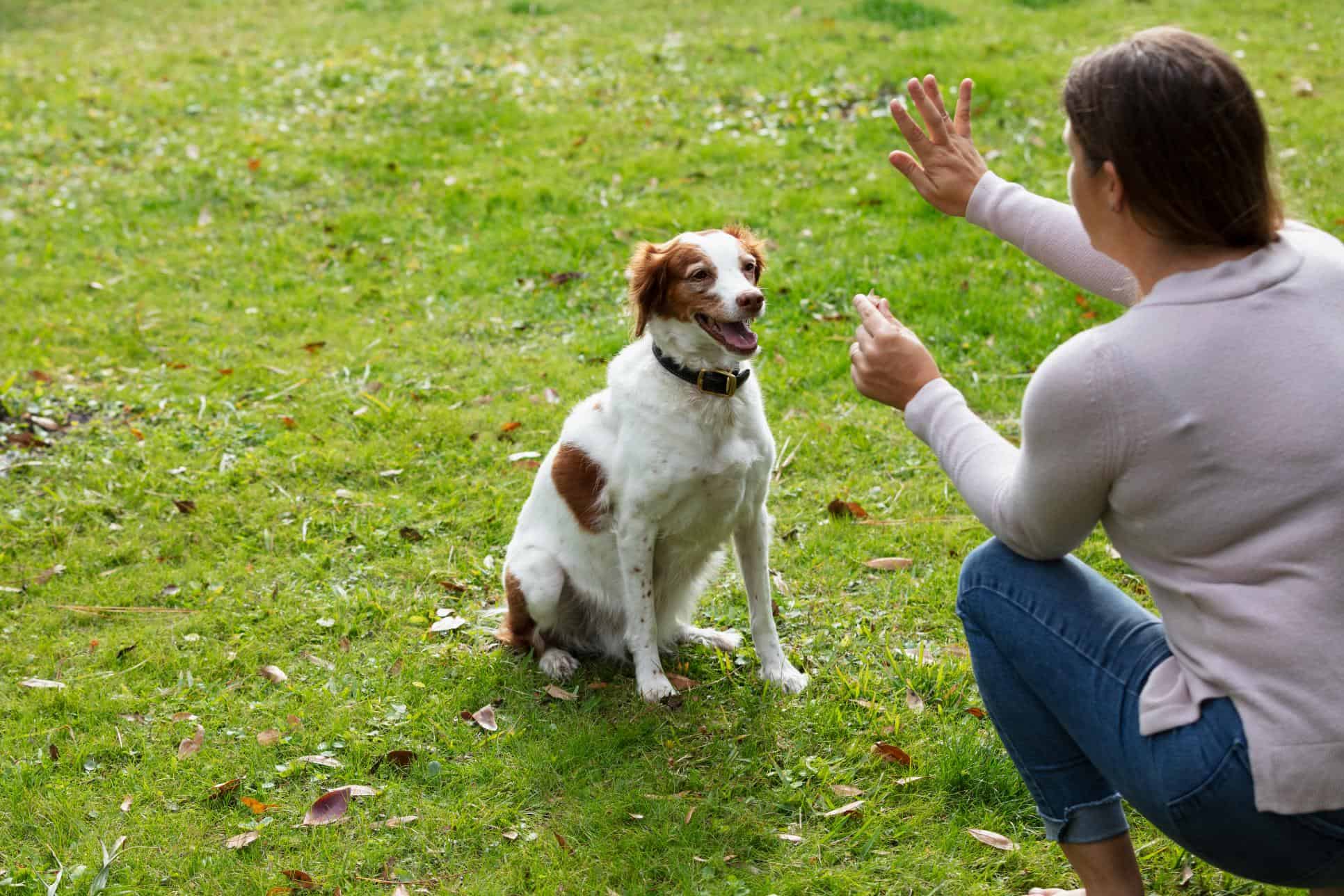
From Punishment to Reward
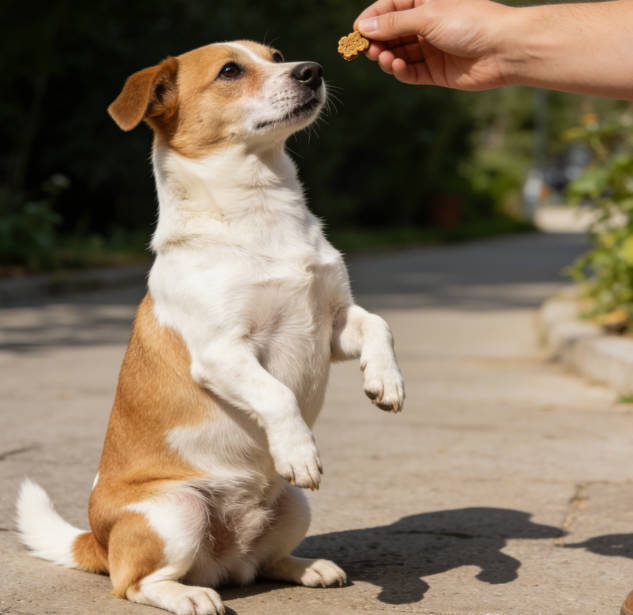
Over the past few decades, the paradigm of pet training has undergone a fundamental shift. In the mid-20th century, training methods were primarily based on punishment and control, such as leash corrections, shock collars, or loud reprimands. However, as animal behavior research deepened, the limitations and negative effects of these methods became increasingly apparent.
According to data from the American Board of Animal Behavior (ABMA), 95% of certified animal behaviorists now recommend positive reinforcement as the primary training method. This shift is backed by numerous studies demonstrating that reward-based training is not only more effective but also reduces stress and fear responses in pets.
Positive Reinforcement vs. Traditional Methods
There are two main schools of thought in current pet training:
- Positive Reinforcement Camp: Believes in shaping pet behavior by rewarding desired behaviors, which builds trust and promotes active learning. The core principle is "reward what you want, ignore what you don't."
- Traditional Training Camp: Argues that correction and punishment are necessary to stop unwanted behaviors, emphasizing the owner's dominant position. Common tools include training sticks, shock collars, etc.
While traditional methods may produce obvious short-term results, long-term studies show they increase pets' stress hormone levels, damage the human-animal bond, and may worsen behavioral problems.
What Constitutes True Positive Reinforcement Training?
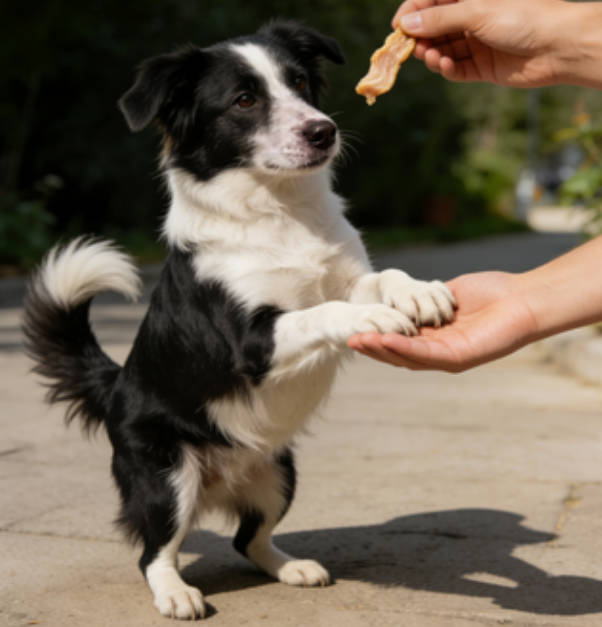
As an animal behaviorist, I believe true positive reinforcement training should meet these core principles:
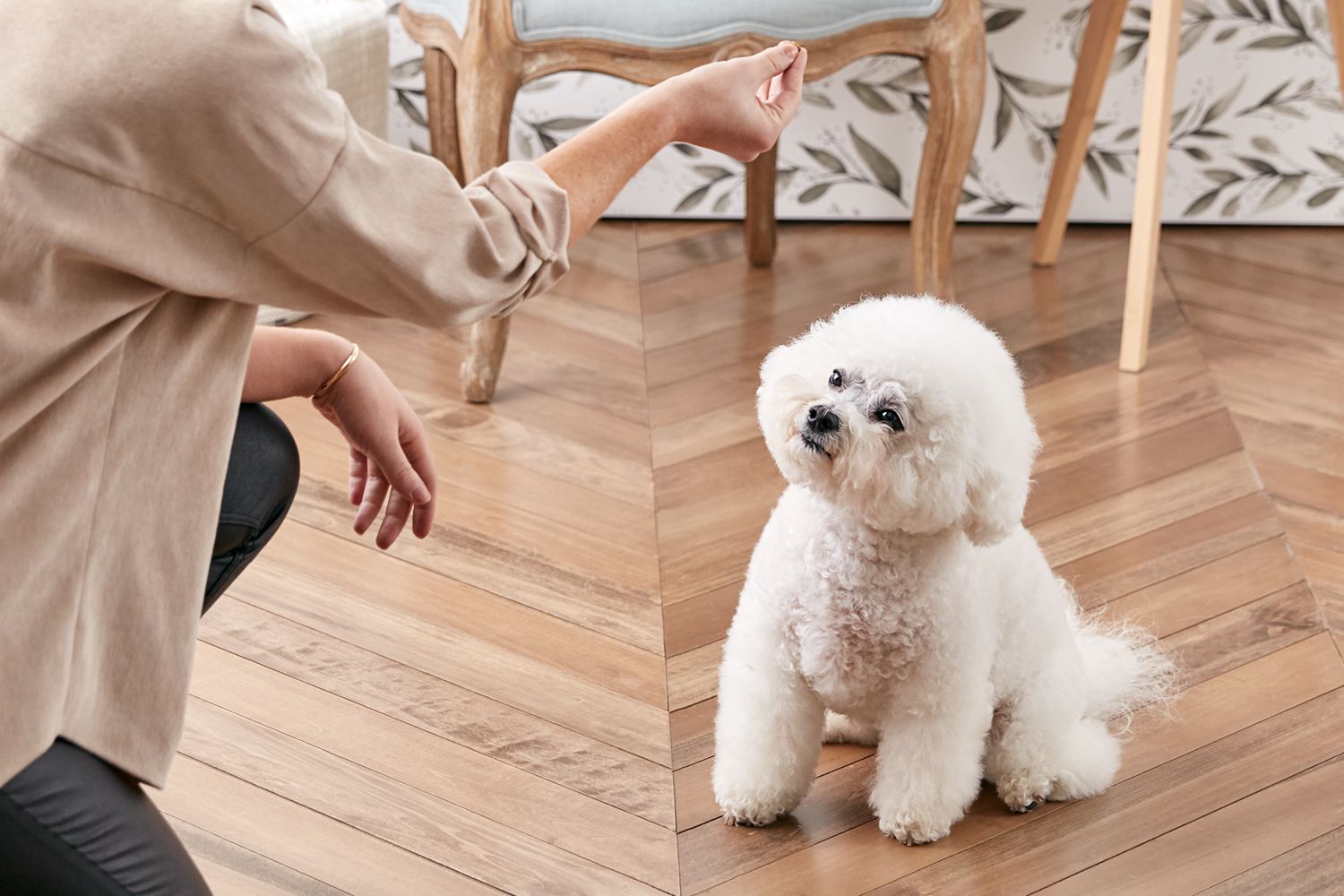
- Positive Motivation: Use rewards that pets enjoy (food, toys, praise) to strengthen desired behaviors, rather than punishing unwanted ones.
- Timely Feedback: Rewards must be given within 1-2 seconds of the correct behavior so pets can establish the connection between behavior and outcome.
- Predictability: Training rules should be consistent, so pets clearly understand which behaviors lead to rewards.
- Progressive Learning: Break complex behaviors into simple steps, guiding pets to success gradually.
Key Elements of Positive Reinforcement Training
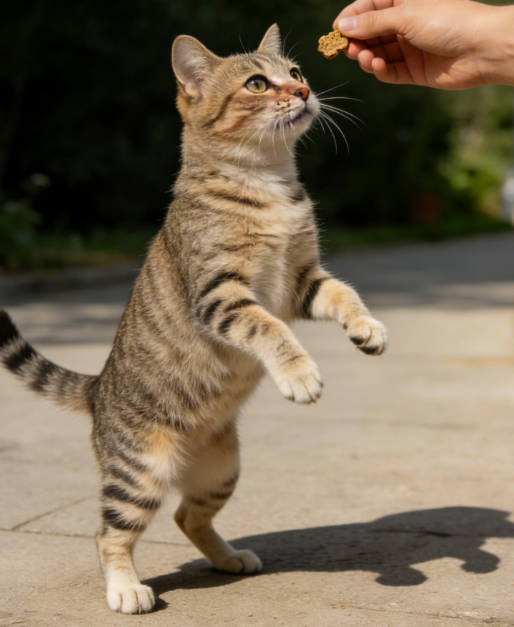
Successful positive reinforcement training includes these key elements:
- Reinforcers: High-value rewards for pets, such as special treats, favorite toys, or enthusiastic petting. Different pets may have different reinforcers.
- Markers: Use a clicker or specific verbal cue (like "good") to mark correct behaviors, helping pets precisely understand which action earned the reward.
- Shaping: Reward small steps that approach the target behavior, gradually guiding pets to complete complex actions.
- Generalization: Practice behaviors in different environments and contexts to ensure pets can perform correctly in various situations.
- Extinction: Gradually reduce reward frequency, transitioning pet behaviors from external rewards to internal motivation.
These "Positive Reinforcement" Methods Are Actually Wrong
Here are some common mistakes that may seem positive but violate true positive reinforcement principles:
- Bribery Instead of Reward: Giving rewards after pets exhibit unwanted behaviors reinforces those behaviors rather than correcting them.
- Inconsistent Rewarding: Sometimes rewarding correct behaviors and sometimes ignoring them confuses pets and reduces training effectiveness.
- Over-reliance on Food Rewards: Never attempting to reduce food rewards or transition to other reward forms may result in pets only behaving well when food is present.
- Ignoring Environment Management: Not controlling environmental factors that constantly put pets in tempting situations where they fail, such as giving a food-motivated dog free access to food.
The Effectiveness of Positive Reinforcement Training
Numerous scientific studies support the effectiveness of positive reinforcement training:
- Long-term Behavior Change: A 2023 study published in Applied Animal Behavior Science found that dogs trained with positive reinforcement maintained good behavior after 12 months, while 40% of dogs trained with traditional methods had behavioral relapses.
- Reduced Anxiety: Research from Cornell University College of Veterinary Medicine shows that positive reinforcement training reduces pets' cortisol (stress hormone) levels by up to 35%.
- Enhanced Learning Ability: Positive reinforcement training using clicker markers can help pets learn new behaviors 2-3 times faster (Animal Cognition, 2022).
How to Start Positive Reinforcement Training

Based on scientific research and clinical experience, I recommend pet owners take these steps to start positive reinforcement training:
- Understand Your Pet: Discover what constitutes high-value rewards for them—different pets may prefer food, toys, or attention.
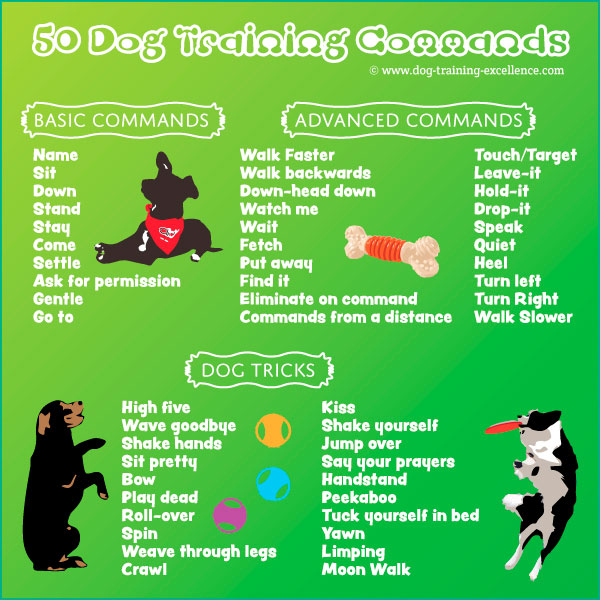
- Set Clear Goals: Start with simple behaviors like "sit" or "watch me," gradually progressing to more complex actions.
- Use a Marker System: A clicker or specific verbal cue helps pets precisely understand which behavior earned the reward.
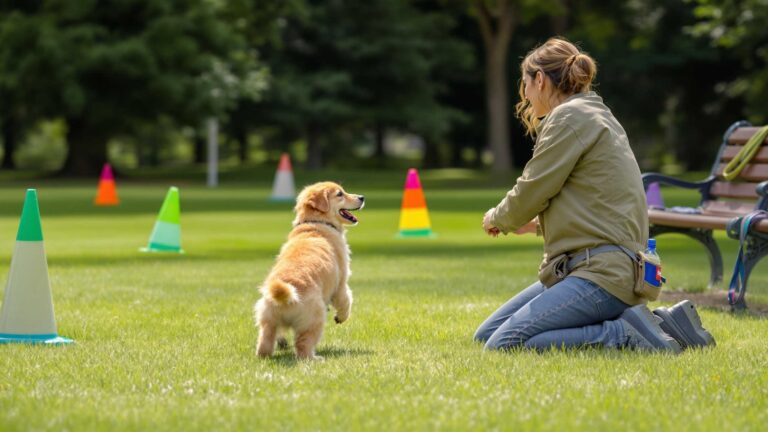
- Keep Training Short and Fun: Train for 5-10 minutes at a time, several times a day, to avoid pet fatigue or boredom.
- Celebrate Small Successes: Even if pets only complete part of the target behavior, give them rewards and encouragement.
- Gradually Reduce Rewards: Once behaviors become stable, transition from rewarding every time to intermittent rewards, and finally to natural rewards.
The Core Value of Positive Reinforcement Training
As a senior animal behaviorist, I believe the core value of positive reinforcement training lies in this: it not only cultivates good behavior but also builds a human-animal relationship based on trust and respect.
True positive reinforcement training isn't simply about giving rewards—it's about guiding pets to learn actively through scientific methods, making them feel safe, happy, and successful during training. This approach respects pets' individuality and needs, meeting the highest standards of animal welfare.
Remember, training is a continuous process, not a one-time task. Through patience, consistency, and positive reinforcement, you'll build lifelong trust and a deep emotional bond with your pet.
The Future of Pet Training
Positive reinforcement training continues to evolve and improve. With technological advancements and deeper research, we can expect to see more innovative training methods and tools, such as AI-based behavior analysis apps and more personalized training programs.
In the future, pet training will focus more on individual differences and mental health, emphasizing prevention rather than correction of behavioral problems. As a pet owner, staying informed about the latest scientific research will help you provide the most humane and effective training experience for your pet.
By Animal Behaviorist Dr. Mark Canine"Positive reinforcement training not only shapes pets' behavior but also nourishes their souls. When we reward love and trust, we receive a happy, confident companion deeply connected to us."







David Chen
January 18 2025Your guide to pet nutrition is incredible! I've already started implementing the dietary changes you suggested for my dog, and I'm seeing a noticeable improvement in his energy levels. The tips on portion control have been especially helpful.
ReplySarah Johnson
January 16 2025As a new cat owner, I found your insights on feline behavior fascinating. The section on litter box training has been incredibly helpful, and my kitten is now fully trained! Thank you for sharing such valuable pet care knowledge!
Reply