
The Importance of Regular Vet Check-ups for Your Pet
The Silent Crisis in Pet Healthcare
Pet owners across the United States face a critical gap in preventive care: 42% of cats and 32% of dogs don't receive annual veterinary check-ups, according to the American Veterinary Medical Association (AVMA). This isn't just a scheduling oversight—it's a missed opportunity to detect life-threatening conditions before they become irreversible. Many pet owners assume their animals are healthy because they appear active or eat well, but subtle signs of disease often go unnoticed without professional evaluation.
Lessons from a Decade in Veterinary Practice
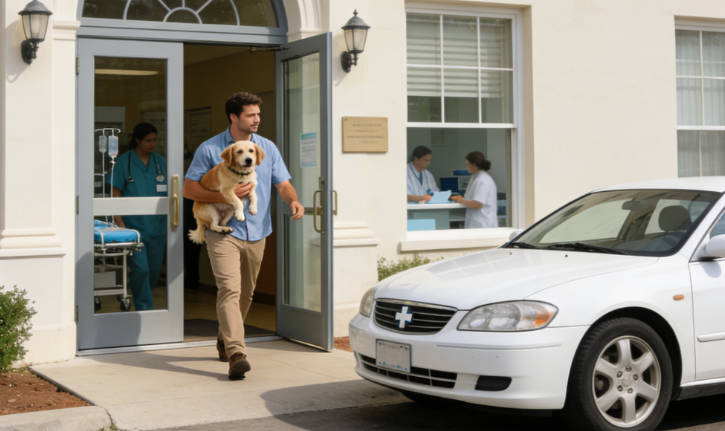
In my 10 years as a veterinary practitioner, I've witnessed countless cases where early detection during routine check-ups saved lives. One memorable instance involved a seemingly healthy 7-year-old Golden Retriever named Max. During his annual exam, we detected a small lump in his abdomen that imaging revealed to be a malignant tumor. Because we caught it in Stage 1, Max underwent successful surgery and lived another 4 years cancer-free. Without that routine visit, his owners would have likely noticed symptoms only when the cancer had spread to his organs.
Why Annual Check-ups Are Often Overlooked
Current pet care trends show that many owners prioritize reactive care (treating illnesses when they occur) over preventive measures. This approach is driven by several factors: cost concerns, time constraints, and the mistaken belief that pets only need veterinary attention when visibly sick. While emergency care is essential, it's significantly more expensive than routine check-ups—on average, $800-$1,500 for emergency treatment compared to $100-$300 for an annual exam. This reactive mindset not only costs more but also puts pets at greater risk.
A Veterinary Professional's Evaluation Criteria
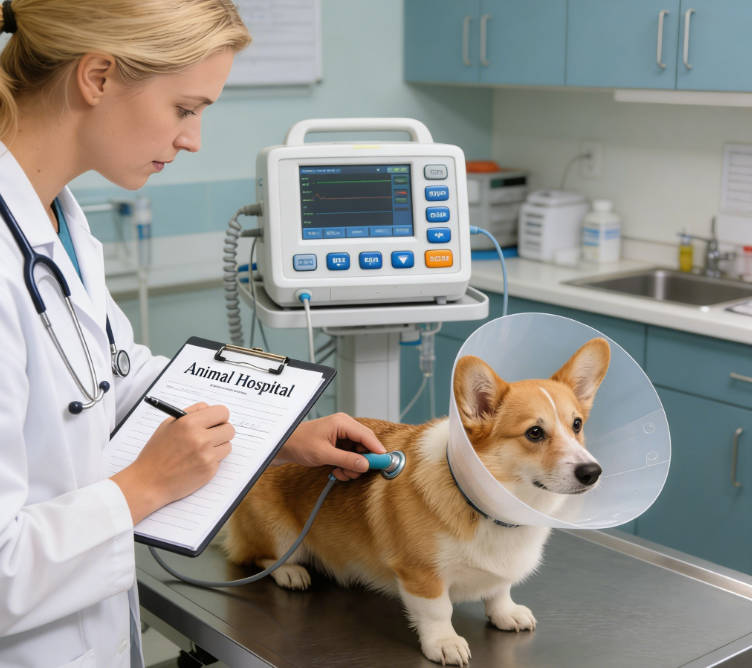
When assessing a pet's health during a check-up, I follow a structured framework that goes beyond surface-level observations:
- Comprehensive Physical Examination: Checking eyes, ears, teeth, skin, coat, heart, lungs, abdomen, and musculoskeletal system
- Behavioral Assessment: Observing energy levels, mobility, and any changes in eating/drinking habits
- Preventive Care Review: Updating vaccinations, parasite control, and dental care
- Diagnostic Testing: Running blood work, urinalysis, and imaging as needed based on age and breed predispositions
This framework ensures we evaluate both current health status and identify potential future risks.
What Happens During a Routine Check-up?
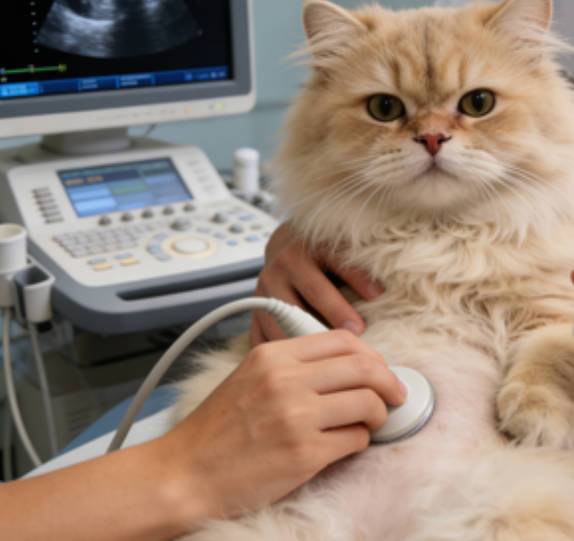
A thorough veterinary check-up consists of three core components:
1. The Physical Exam
This is the foundation of any check-up. We start with a visual inspection of your pet's overall appearance, then systematically examine each body system. For example, checking your pet's gums can reveal signs of dental disease or anemia, while listening to the heart can detect murmurs or irregular rhythms.
2. Preventive Care
This includes updating vaccinations based on your pet's lifestyle and risk factors, administering parasite prevention, and discussing dental care. Dental disease affects 70% of cats and 80% of dogs by age 3, yet many owners don't realize it can lead to systemic infections if left untreated.
3. Diagnostic Testing
For senior pets (7+ years) or those with specific risk factors, we recommend blood work and urinalysis. These tests can detect kidney disease, diabetes, thyroid issues, and other conditions that may not show obvious symptoms until advanced stages.
When "Wait and See" Doesn't Work
Some pet owners believe they can skip check-ups if their pet seems healthy, but this approach often backfires. Consider the case of Bella, a 5-year-old Siamese cat whose owners skipped her annual check-up for two years because she "seemed fine." When they finally brought her in due to weight loss, we discovered she had advanced kidney disease that could have been managed much more effectively with early intervention. Similarly, young, seemingly healthy pets can develop congenital conditions that only become apparent through diagnostic testing.
Data That Proves the Value
Research supports the importance of regular veterinary care:
- A study published in the Journal of the American Veterinary Medical Association found that pets receiving annual check-ups have a 28% longer median lifespan compared to those without regular care.
- The AVMA reports that 60% of pet diseases can be detected early through routine blood work, potentially saving $1,000-$3,000 in treatment costs.
- Dental cleanings during check-ups reduce the risk of periodontal disease by 75%, according to the American Animal Hospital Association.
How to Make the Most of Your Vet Visits
To maximize the benefits of your pet's check-up:
- Prepare Questions: Write down any changes in behavior, appetite, or energy levels to discuss with your vet.
- Bring Medical Records: If you've switched veterinarians, provide previous records to ensure continuity of care.
- Follow Through: If your vet recommends diagnostic testing or a treatment plan, schedule these promptly.
- Establish a Schedule: Puppies and kittens need more frequent visits, but all pets should see a vet at least once a year.
My Professional Conclusion
After a decade in veterinary medicine, I'm convinced that regular check-ups are the single most important thing you can do for your pet's health. They're not just about vaccinations or physical exams—they're about building a relationship with your vet who understands your pet's unique health profile. This continuity of care allows us to detect subtle changes over time that might otherwise go unnoticed.
Think of it this way: you wouldn't skip your annual physical exam, so why would you skip it for your pet? Both you and your furry companion deserve the peace of mind that comes with knowing potential health issues are being addressed proactively.
The Future of Preventive Pet Care
The veterinary industry is evolving to make preventive care more accessible, with telemedicine options for preliminary consultations and wellness plans that spread costs over time. As pet owners, your role is to embrace these advances and prioritize regular check-ups as non-negotiable components of responsible pet ownership.
Your pet's health is an investment, not an expense. By scheduling annual check-ups, you're not just extending your pet's life—you're ensuring they live their best life possible, free from preventable suffering.
By Animal Behaviorist Dr. Mark Canine"Positive reinforcement training not only shapes pets' behavior but also nourishes their souls. When we reward love and trust, we receive a happy, confident companion deeply connected to us."









David Chen
January 18 2025Your guide to pet nutrition is incredible! I've already started implementing the dietary changes you suggested for my dog, and I'm seeing a noticeable improvement in his energy levels. The tips on portion control have been especially helpful.
ReplySarah Johnson
January 16 2025As a new cat owner, I found your insights on feline behavior fascinating. The section on litter box training has been incredibly helpful, and my kitten is now fully trained! Thank you for sharing such valuable pet care knowledge!
Reply