
Understanding Cat Behavior: Common Issues and Solutions
Decoding the Mysterious Feline Mind
As a pet journalist who has spent years observing and writing about feline behavior, I've encountered countless cat owners who feel mystified by their pets' actions. Why does Fluffy suddenly stop using the litter box? Why does Whiskers scratch the couch even though he has a scratching post? According to a survey by the International Society of Feline Nutrition (ISFN), 73% of cat owners report struggling with at least one behavioral issue, and many feel helpless to address it. This guide aims to demystify common cat behaviors and provide practical solutions rooted in feline psychology.

Living with a Cat's Natural Instincts

Through my interviews with feline behaviorists and years of living with cats myself, I've learned that most "problem behaviors" are simply natural feline instincts expressed in ways that conflict with human expectations. For example, scratching is not an act of defiance—it's a way for cats to mark territory, stretch muscles, and maintain claw health. Similarly, urinating outside the litter box often signals stress, medical issues, or dissatisfaction with the box itself, not revenge.
I once worked with a family whose cat, Mochi, began urinating on their bed after they brought home a new baby. Instead of punishing Mochi, we identified the root cause (territorial anxiety) and implemented changes that helped Mochi feel secure again. This experience taught me that understanding feline behavior requires empathy and a willingness to see the world from a cat's perspective.
What People Get Wrong About Cats

Popular culture often portrays cats as aloof, independent creatures who don't need human interaction. This myth couldn't be further from the truth. Research from the University of Lincoln shows that cats form strong emotional bonds with their owners, similar to dogs. Another common misconception is that cats are "low-maintenance" pets that don't require much attention. In reality, cats need mental stimulation, social interaction, and a structured environment to thrive.
Many owners also believe that punishment is an effective way to correct unwanted behavior. However, cats don't associate punishment with their actions the way humans do. Yelling or spraying a cat with water only increases stress and can worsen behavioral issues.
How Experts Understand Cats
When analyzing cat behavior, experts use a framework that considers four key factors: natural instincts, environmental factors, health status, and social dynamics. This approach, developed by the American Association of Feline Practitioners (AAFP), helps identify the root cause of behavioral issues rather than just treating the symptoms.
For example, a cat that suddenly stops eating could be experiencing dental pain (health), stress from a new pet (social), or discomfort with its food bowl location (environmental). By examining all these factors, we can develop a comprehensive solution that addresses the underlying problem.
Causes and Solutions
- Scratching Furniture: Provide multiple scratching posts of different materials (sisal, cardboard, wood) placed in high-traffic areas. Use positive reinforcement when your cat uses the post, and make furniture less appealing with double-sided tape or citrus scents.
- Litter Box Avoidance: Ensure you have one litter box per cat plus one extra, placed in quiet locations. Scoop daily and change litter weekly. If issues persist, consult your veterinarian to rule out medical problems like urinary tract infections.
- Aggression: Identify triggers (e.g., loud noises, unfamiliar people) and create safe spaces for your cat to retreat. Consult a feline behaviorist for severe cases, as aggression can stem from fear, pain, or territorial disputes.
- Excessive Meowing: This can indicate hunger, boredom, stress, or medical issues. Rule out health problems first, then ensure your cat has enough mental stimulation and playtime.
- Nighttime Activity: Establish a consistent bedtime routine with playtime before bed to tire your cat out. Avoid feeding your cat right before bed, as this can increase nighttime activity.
Common Mistakes That Make Behavior Worse
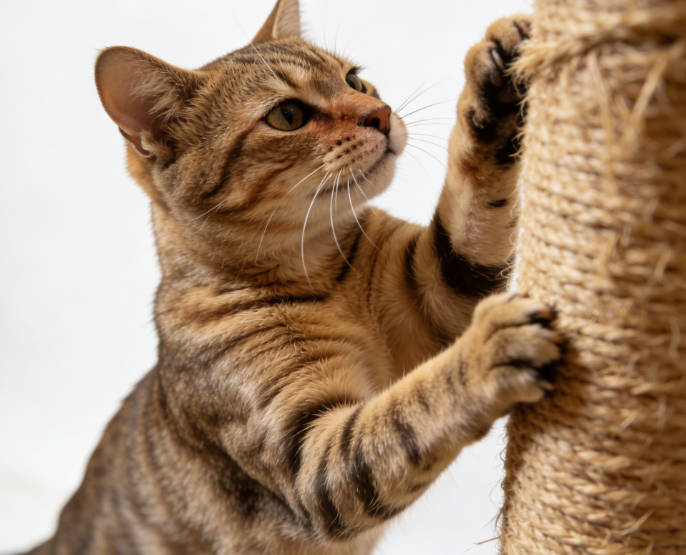
I once interviewed a cat owner named Tom who tried to stop his cat, Shadow, from scratching the couch by declawing him. Not only is declawing a painful, invasive procedure that removes the last bone of each toe, but it also didn't solve the problem—Shadow began biting furniture instead. This is a perfect example of how addressing the symptom (scratching) without understanding the cause (natural instinct) leads to worse issues.
Another common mistake is ignoring behavioral changes. When a cat suddenly changes its behavior, it's often a sign of stress or illness. A friend of mine ignored her cat's litter box issues, assuming it was "being difficult," only to discover the cat had a life-threatening urinary blockage.
What Research Tells Us About Cats
Recent studies provide valuable insights into feline behavior. A 2024 study in the Journal of Veterinary Behavior found that cats who receive at least 15 minutes of interactive playtime daily are 60% less likely to develop behavioral issues. Another study from the University of California, Davis, demonstrated that providing vertical space (cat trees, shelves) reduces territorial aggression by 45% in multi-cat households.
Research also shows that environmental enrichment—providing toys, puzzles, and opportunities for exploration—significantly improves cat welfare. The AAFP recommends a "cat-friendly home" that includes hiding spots, perches, scratching surfaces, and interactive toys.
How to Create a Harmonious Home

For Scratching: Place scratching posts near furniture your cat likes to scratch. Use catnip or pheromone sprays to attract your cat to the post. Trim your cat's nails regularly to reduce damage.
For Litter Box Issues: Experiment with different litter types and box styles. Some cats prefer covered boxes, while others prefer open ones. Keep the box in a quiet, low-traffic area away from food and water.
For Aggression: Identify and avoid triggers when possible. Provide your cat with a safe space (e.g., a cat tree with a hiding spot) where it can retreat when feeling threatened. Consult a certified feline behaviorist for personalized advice.
Building a Strong Bond with Your Cat
After years of studying and writing about cat behavior, I've come to believe that the key to a harmonious relationship with your cat is understanding and respect. Cats are not mini dogs—they have their own unique needs and communication styles. By taking the time to learn about feline behavior, you can create an environment where your cat feels safe, secure, and loved.
Remember that patience is essential. Behavioral changes take time, and punishment will only set you back. Instead, focus on positive reinforcement—rewarding good behavior with treats, praise, and playtime. This builds trust and strengthens your bond with your cat.
A Brighter Future for Cats and Their Owners
As our understanding of feline behavior continues to grow, I'm optimistic that more cat owners will learn to appreciate and respect their pets' natural instincts. Advances in feline behavior research are providing new insights into how cats think and feel, and this knowledge is empowering owners to create better lives for their furry companions.
By implementing the strategies outlined in this guide, you can address common behavioral issues and build a stronger, more fulfilling relationship with your cat. Remember that every cat is unique, so be willing to experiment and find what works best for your pet. With patience, empathy, and understanding, you can decode the mysterious feline mind and create a harmonious home for both you and your cat.
By Pet Journalist Sarah"Cats aren't trying to be difficult—they're just being cats. The key to understanding them lies in learning their language and respecting their natural instincts."










David Chen
January 18 2025Your guide to pet nutrition is incredible! I've already started implementing the dietary changes you suggested for my dog, and I'm seeing a noticeable improvement in his energy levels. The tips on portion control have been especially helpful.
ReplySarah Johnson
January 16 2025As a new cat owner, I found your insights on feline behavior fascinating. The section on litter box training has been incredibly helpful, and my kitten is now fully trained! Thank you for sharing such valuable pet care knowledge!
Reply