
Understanding Pet Nutrition: What to Feed Your Beloved Companion

The Importance and Challenges of Pet Nutrition
As a pet nutritionist with 15 years of experience, I've witnessed dramatic changes in the field of pet nutrition. Today, pets have become indispensable members of families. However, despite the vast array of pet foods available on the market, many owners still face a common confusion: What is truly the best food for my pet?

Behind this question lies complex nutritional science, commercial marketing, and individual differences. Poor dietary choices can lead to obesity, allergies, digestive disorders, and even shorten a pet's lifespan. This article will analyze the core principles of pet nutrition from a scientific perspective to help you make informed feeding decisions.
From Survival to Optimal Health
Over the past few decades, the goal of pet nutrition has shifted from simply "maintaining survival" to "promoting optimal health." According to the American Pet Products Association (APPA), in 2024, U.S. pet owners spent over $38 billion on pet food, an 85% increase from 2010.
However, with pet obesity rates exceeding 35% and the rise in food allergies and chronic diseases, we must recognize: Higher spending does not equate to higher quality nutrition. Many commercial pet foods rely on low-cost filler ingredients rather than nutrients that truly meet pets' biological needs.
Commercial Food vs. Homemade Diets
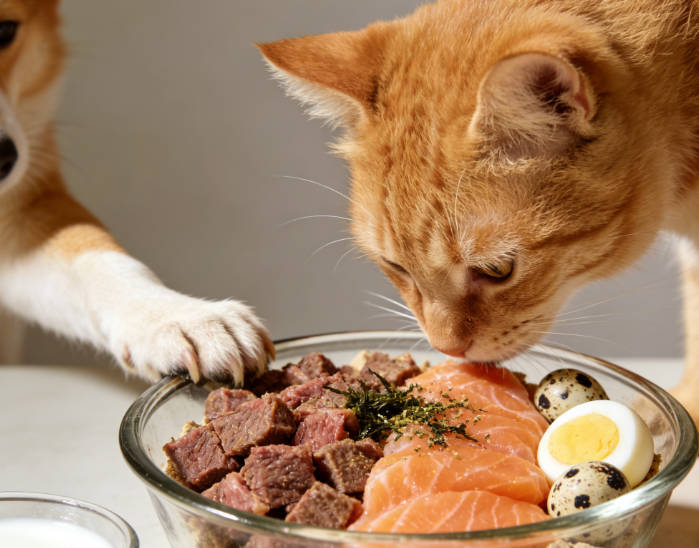
There are two main perspectives in the pet nutrition field today:
- Commercial Food Camp: Emphasizes scientific formulation and convenience, believing that AAFCO-certified commercial foods can provide complete and balanced nutrition.
- Homemade Diet Camp: Advocates for fresh ingredients, avoiding preservatives and artificial additives, arguing that this approach better aligns with pets' natural dietary needs.
Both perspectives have their merits but also their misconceptions. Not all commercial foods undergo rigorous testing, and homemade diets can easily lead to nutritional imbalances if not properly formulated.
How to Assess Pet Food Quality

As a pet nutritionist, I recommend using the following core criteria to evaluate pet foods:
- Ingredient Quality: The first ingredient should be high-quality animal protein (such as chicken, fish) rather than grains or by-products.
- Nutritional Completeness: Meets AAFCO nutritional requirement standards, especially formulas suitable for the pet's age, breed, and activity level.
- Processing Methods: Low-temperature processing preserves more nutrients, avoiding nutrient loss from over-processing.
- Transparency: Manufacturers should provide detailed information about ingredient sources and nutritional analysis.
Key Nutritional Elements for Pets
Pets' basic nutritional needs include six major nutrient categories, each with its unique functions:
- Protein: Builds and repairs tissues, supports the immune system. Dogs and cats require animal protein as their digestive systems have difficulty effectively utilizing plant protein.
- Fat: Provides energy, supports skin and coat health, and helps absorb fat-soluble vitamins.
- Carbohydrates: Provide quick energy but are not essential nutrients for dogs and cats. Choose easily digestible carbohydrates like brown rice or sweet potatoes.
- Vitamins and Minerals: Participate in various physiological processes such as bone development, blood clotting, and energy metabolism.
- Water: The most important nutrient for maintaining life, accounting for 60-70% of a pet's body weight.
Feeding Practices That Harm Pet Health

Here are some common feeding mistakes that I've repeatedly seen cause health issues in clinical practice:
- Feeding Human Leftovers: High salt, fat, and spices can lead to obesity, pancreatitis, and digestive problems.
- Over-reliance on Dry Food: Long-term exclusive feeding of dry food increases the risk of urinary system diseases, especially in cats.
- Ignoring Age-Related Changes: The nutritional needs of puppies/kittens, adult dogs/cats, and senior dogs/cats are drastically different.
- Neglecting Special Needs: Health issues like allergies, diabetes, or kidney disease require special dietary management.
Latest Research in Pet Nutrition
Recent pet nutrition research supports the following views:
- Personalized Nutrition: Customizing diets based on a pet's genetics, gut microbiome, and lifestyle can significantly improve health outcomes (Journal of Veterinary Nutrition, 2023).
- Benefits of Fresh Food: A 5-year study found that pets fed fresh food lived 15-20% longer than those fed commercial dry food (University of California, Davis, 2024).
- Probiotics and Prebiotics: Maintaining gut health is crucial for overall health, especially immune system function (Journal of Animal Science, 2022).
How to Choose the Best Diet for Your Pet
Based on the scientific evidence above, I recommend pet owners take the following steps:
- Consult Professionals: Discuss your pet's specific needs with a veterinarian or pet nutritionist.
- Read Ingredient Labels: Choose products with high-quality animal protein as the first ingredient, avoiding those with artificial additives.
- Consider Dietary Variety: Regularly rotate protein sources to reduce allergy risks and provide more comprehensive nutrition.
- Monitor Weight and Health: Regularly assess your pet's weight, coat quality, and energy levels, adjusting the diet as needed.
- Provide Adequate Water: Ensure your pet always has access to fresh, clean water, especially when feeding dry food.
Core Principles of Pet Nutrition
As a senior pet nutritionist, I believe the core principle of pet nutrition is: Provide personalized, balanced, and high-quality diets based on pets' biological needs.
No single diet is suitable for all pets. Commercial food can be a convenient choice, but you need to select it carefully; homemade food can provide fresh nutrition but must be formulated under professional guidance.
Remember, your pet's diet directly affects its health and lifespan. Taking the time to understand your pet's nutritional needs is one of the best investments you can make for its well-being.
The Future of Pet Nutrition
The field of pet nutrition is moving toward greater personalization and scientific precision. With the application of genetic testing, gut microbiome analysis, and artificial intelligence, we will be able to provide more accurate nutritional plans for each pet.
In the future, we may see more customized pet foods based on fresh ingredients, as well as functional diets for specific health issues. As a pet owner, staying informed about the latest research will help you provide the best possible care for your furry friend.
By Pet Nutritionist Maria"Nutrition is the foundation of pet health. Choosing the right food opens the door to a long and happy life for your pet."










David Chen
January 18 2025Your guide to pet nutrition is incredible! I've already started implementing the dietary changes you suggested for my dog, and I'm seeing a noticeable improvement in his energy levels. The tips on portion control have been especially helpful.
ReplySarah Johnson
January 16 2025As a new cat owner, I found your insights on feline behavior fascinating. The section on litter box training has been incredibly helpful, and my kitten is now fully trained! Thank you for sharing such valuable pet care knowledge!
Reply