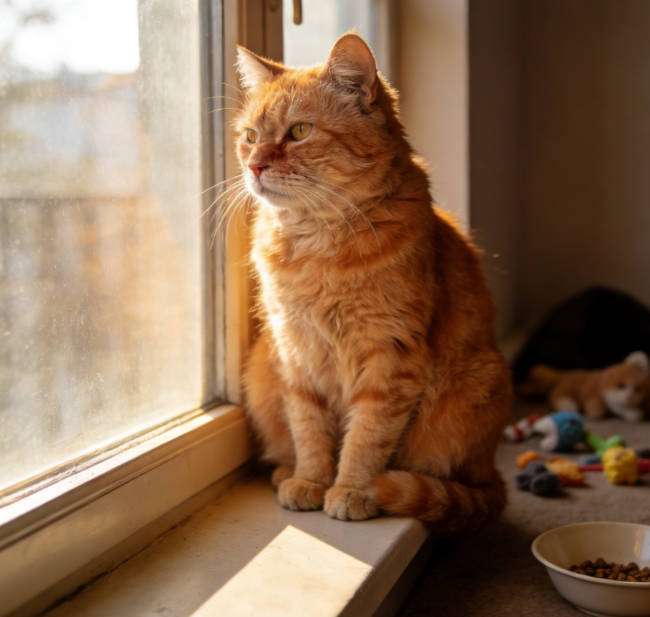
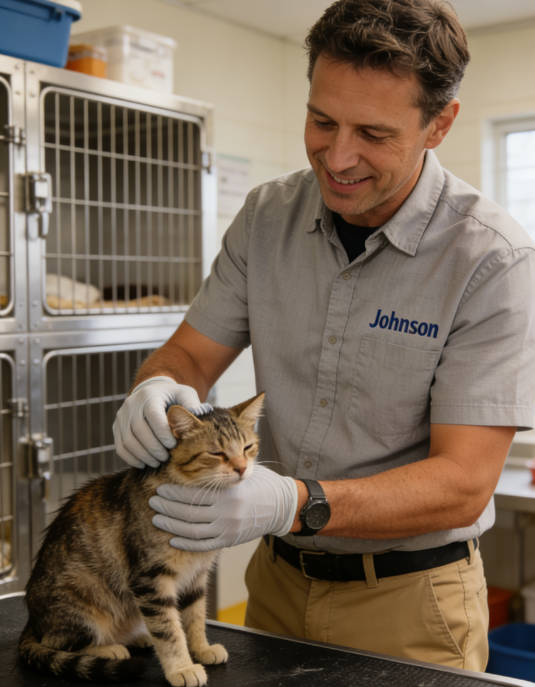
Have you ever wondered if cats can experience memory loss similar to humans? It turns out that cats can develop a condition known as Feline Cognitive Dysfunction Syndrome (CDS), which is related to aging and changes in brain function.
What is Feline Cognitive Dysfunction Syndrome?
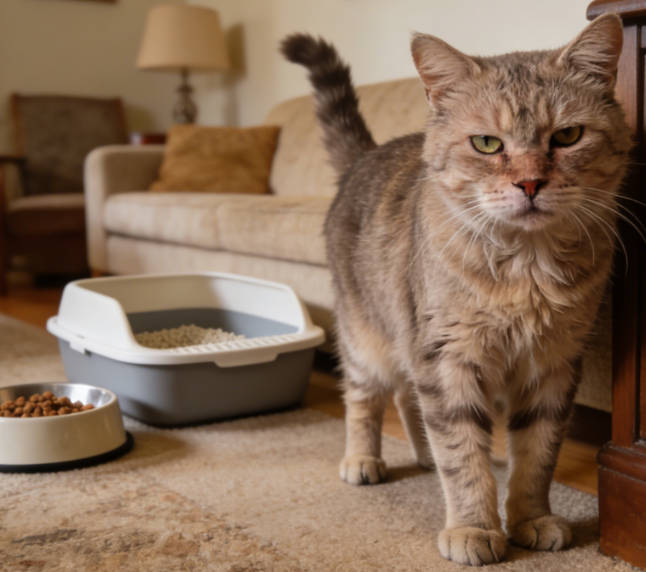
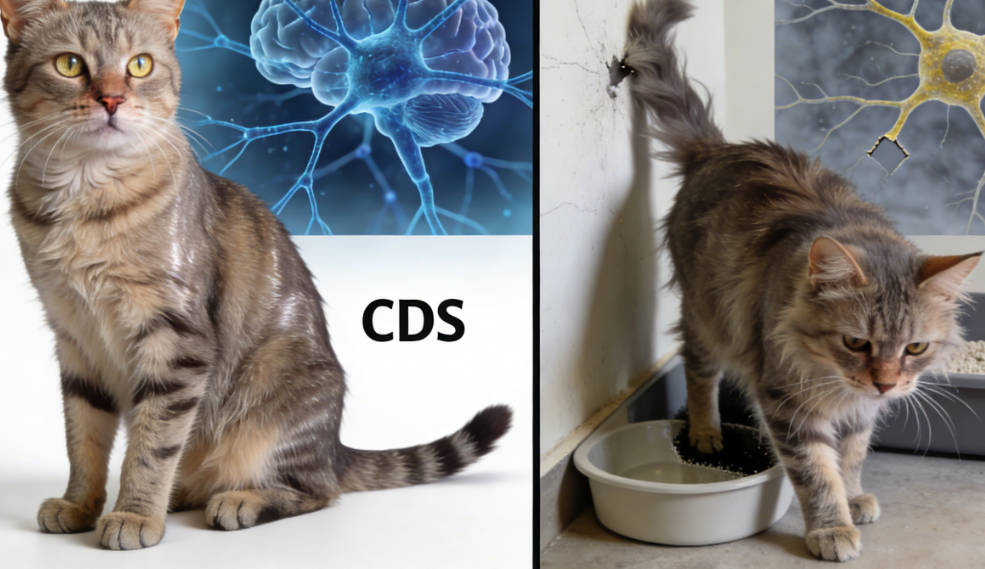
Feline CDS is a common cognitive disorder in aging cats, caused by brain aging and associated with changes in awareness, learning, memory, and responsiveness to stimuli. It is sometimes compared to dementia in humans, although the term CDS is more accurate for cats. CDS is characterized by behavioral changes, but similar symptoms may also be caused by other medical conditions such as kidney disease or thyroid disorders. It is important to consult a veterinarian to rule out other health issues before confirming a diagnosis of CDS.
Behavioral Changes in Cats with CDS
Cats with CDS may show the following changes:
- 1) Disorientation: Cats may seem lost in familiar environments, get stuck behind furniture, or have difficulty locating resources like food, water, or litter boxes. Memory lapses, such as forgetting that they just ate and repeatedly asking for food, can also occur.
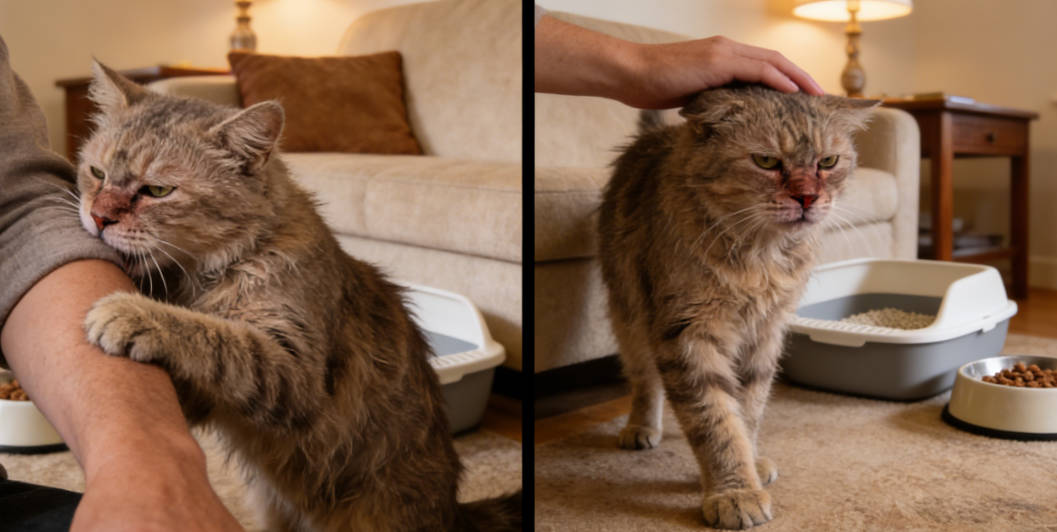
- 2) Changes in interaction: Cats may alter social behavior with owners or other pets. Some may become more clingy, while others may become unresponsive or irritable when touched or approached.
- 3) Sleep-wake cycle changes: You might notice disruptions in sleep patterns. Cats that used to sleep through the night may wake up early, vocalize, or roam around during nighttime hours.
- 4) Litter box issues: Cats may urinate or defecate outside the litter box, possibly forgetting its location.
- 5) Anxiety: Increased restlessness or agitation.
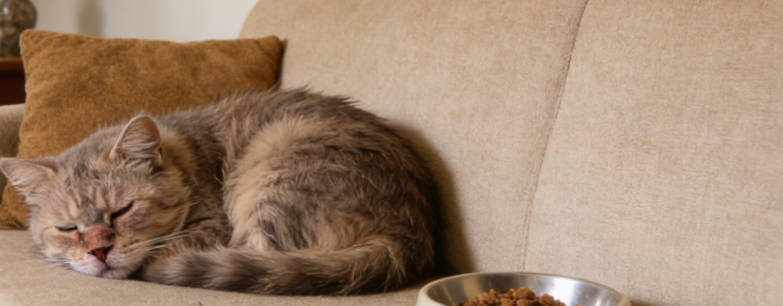
- 6) Activity changes: Reduced exploration of objects, people, or household sounds, decreased self-grooming, and changes in appetite.
Management Strategies
Although CDS cannot be reversed or fully cured, the focus is on enhancing the cat’s comfort, supporting cognitive function, and minimizing stress:
- 1) Dietary adjustments, nutritional supplements, medications, and environmental enrichment can help manage symptoms. Collaborate with your veterinarian to create a personalized plan for your cat.
- 2) Keep life interesting for your cat. Exercise, interactive toys, and learning activities can provide mental stimulation and support cognitive function.
- 3) Adapt the environment for aging cats:
- Provide ramps or steps to help cats access elevated surfaces like windowsills, tables, and sofas.
- Place food and water in multiple locations to make them easily accessible.
- Use night lights to help cats with declining vision locate resources.
- Offer multiple resting spots with warm blankets while ensuring cats can move freely.
- Provide large, open-style litter boxes rather than jump-in designs.
- 4) Maintain consistency and predictability. Cats benefit from regular schedules and familiar routines. If changes occur, such as travel or pet sitters, try to introduce them gradually and ensure interaction and playtime continue as usual.
Quality of Life
Most cats with CDS can still enjoy a good quality of life. Recognizing and adapting to the behavioral and cognitive changes that come with aging helps ensure your cat remains happy and comfortable. By understanding your cat’s evolving needs and providing supportive care, both you and your cat can maintain a fulfilling life together.
Comments (50)
Pet Lover
Great article! Very informative for pet owners.
Cat Parent
Thank you for sharing this helpful information!