
Is your cat experiencing severe diarrhea or even blood in its stool, and regular probiotics, antibiotics, or routine parasite treatments seem ineffective? Your cat might be dealing with coccidiosis.
What is Feline Coccidiosis?
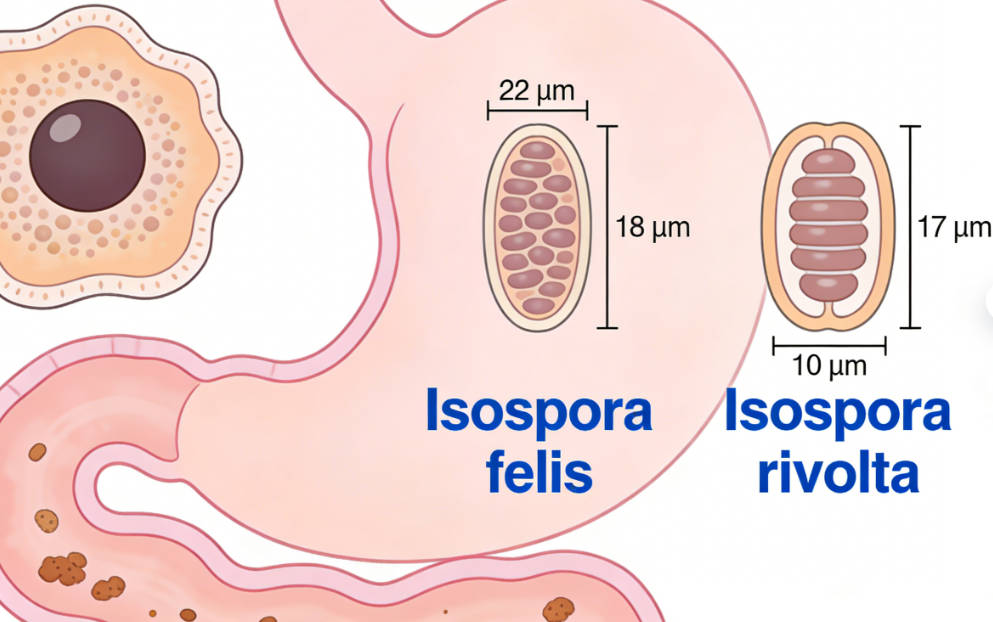
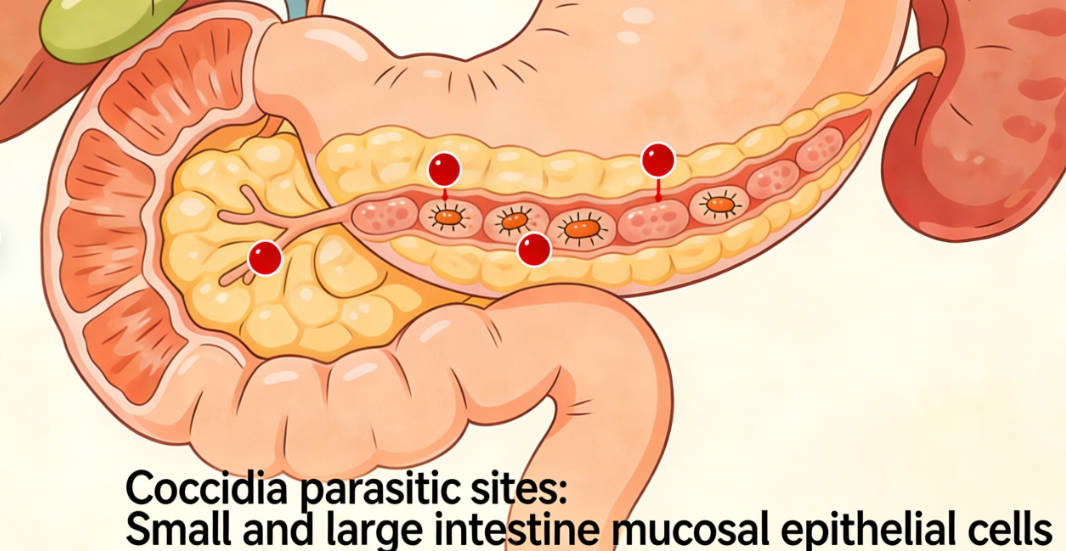
Feline coccidiosis is an intestinal infection caused by single-celled organisms called coccidia. In cats, most coccidia belong to the genus Isospora, with Isospora felis and Isospora rivolta being the most common species. Because coccidia can cause persistent diarrhea with blood, it is sometimes confused with other intestinal disorders. Coccidia are common parasites that live in the epithelial cells of the cat's small and large intestines. Mild infections may not show noticeable symptoms, but higher parasite loads can cause more obvious clinical signs and affect the cat’s overall health if left unmanaged.
How Do Cats Become Infected?
Cats can become infected through several routes:
- 1) Eating food or drinking water contaminated with coccidia oocysts. The sporulated oocysts can infect other mammals, such as rodents. Cats may become infected by eating infected rodents or raw meat (e.g., pork, beef, lamb) that is contaminated.
- 2) Contact with feces from infected cats. Oocysts in the feces are not immediately infectious but mature over time. Healthy cats that contact or step on contaminated feces may ingest oocysts while grooming, leading to infection. In multi-cat households, strict separation and separate litter boxes are recommended.
- 3) Maternal transmission. Kittens can contract coccidia from infected mothers through close contact, even without direct fecal contact. Young kittens are particularly vulnerable due to their lower immunity.
- 4) Outdoor cats are more susceptible because oocysts can survive in soil for extended periods (up to a year). Cats exploring contaminated soil may ingest oocysts while grooming. Owners should be aware that contact with contaminated soil can increase the risk of infection.
Clinical Symptoms of Coccidiosis
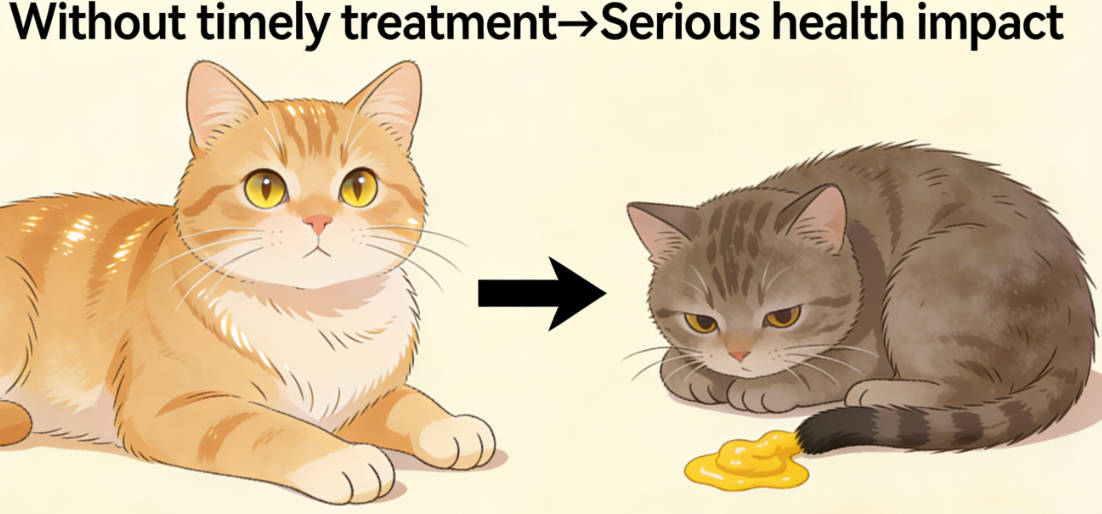
Some infected cats may show no symptoms but can still shed oocysts and infect other cats. Young, elderly, or immunocompromised cats are more likely to develop noticeable signs. Symptoms in susceptible cats may include:
- Mild infection or early stage: digestive upset, reduced appetite, lethargy, mild fever, dry nose, and stools containing mucus or blood.
- Severe infection: persistent diarrhea, watery stools, blood in stool, dehydration, weight loss, vomiting, and in extreme cases, life-threatening complications.
Symptoms usually appear 7–8 days after infection, but in kittens experiencing their first exposure, it may take up to 13 days to show clear signs.
Diagnosis of Coccidiosis
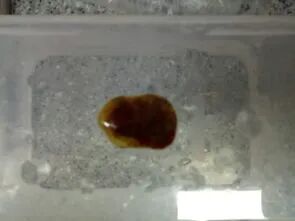
Coccidiosis is typically diagnosed by microscopic examination of fecal samples. Less common species can sometimes require specialized blood tests for detection.
Treatment of Coccidiosis
The most commonly used treatment is a sulfonamide antibiotic such as sulfadimethoxine (approximately 50 mg/kg daily). Supportive care may be needed in cases of diarrhea and dehydration. Mild dehydration can be managed with oral or subcutaneous fluids, while severe dehydration may require intravenous fluid therapy to maintain water, electrolyte, and acid-base balance. Severe anemia may require additional supportive measures. Environmental disinfection is also essential, and used litter boxes should be thoroughly cleaned or replaced.
Can Cats Transmit Coccidia to Humans?
Generally, the common types of coccidia in cats do not infect humans. However, some rare species may have potential for transmission, especially in individuals with weakened immune systems. Good hygiene practices and proper handling of cat litter and feces significantly reduce the risk of transmission. Key precautions include:
- 1) Keeping cats indoors.
- 2) Avoiding feeding cats raw or contaminated meat and untreated water.
- 3) Promptly cleaning litter boxes to prevent oocyst maturation.
- 4) Practicing regular handwashing and maintaining clean living environments.
By following these precautions, both cats and humans can stay protected from coccidia infection.
Comments (50)
Pet Lover
Great article! Very informative for pet owners.
Cat Parent
Thank you for sharing this helpful information!