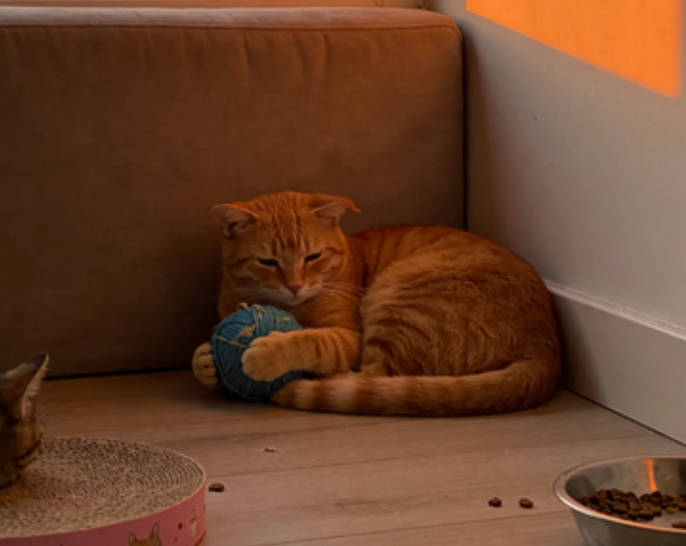
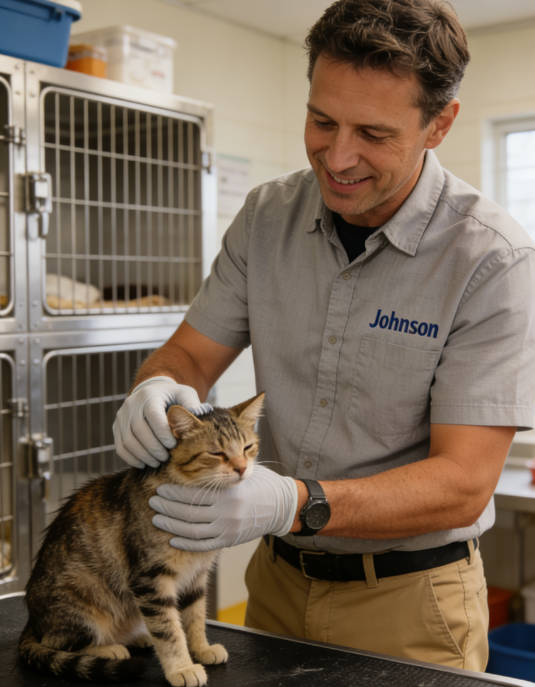
Christmas is just around the corner, and as we return home, have you ever thought about the cat staying alone in your rental apartment? Actually, when you come back, your cat misses you a lot. Cats may experience some separation anxiety when their owners are away, but what happens when a companion pet passes away? In 2016, a unique study in New Zealand explored this very question. Let's take a closer look at this fascinating research.
Study Details:
This study was led by a team from the New Zealand Companion Animal Council. They distributed extensive surveys about 'pet loss' to pet owners living in Australia and New Zealand and received 279 responses (254 of which were from women).
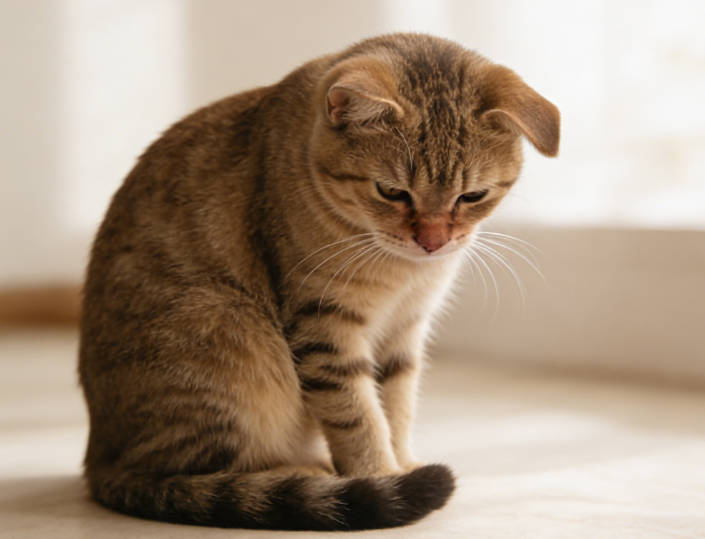
- 1. Research Subjects:
The survey asked: 'When a multi-pet household loses one pet, what changes occur in the behavior of the remaining pets?'
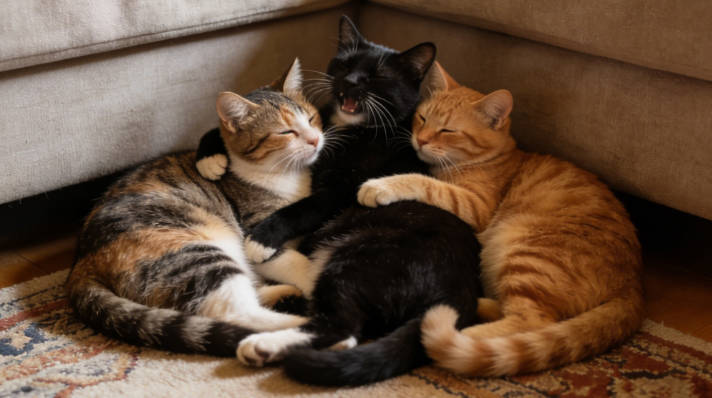
- 2. Survey Content:
Out of 196 cats that lost a companion, 152 (77.5%) exhibited at least one behavioral change. On average, the number of changes per cat was 4.5 ± 0.2, and the observed changes lasted less than six months on average.
- 3. Results:
Observed Changes:
When one pet dies in a multi-pet household, 77.5% of the remaining pets show behavioral changes. But what kind of changes occur, and are they signs of sadness?
Researchers applied a 'two-phase separation model' to the cats. This model assesses separation anxiety and grief in two stages: the first stage (panic phase) and the second stage (depressive phase). If behaviors associated with both stages are observed, the animal shows signs of both separation anxiety and grief.
For the 196 cats that lost a companion:
Stage One: Panic
Do cats experience panic and anxiety at this stage? Data shows:
- Vocalization frequency: Increased = 43%, Decreased = 3%, No change = 54%
- Vocalization volume: Increased = 32%, Decreased = 3%, No change = 65%
- Affection toward humans: Increased behavior = 40%, Decreased = 15%, More affectionate = 22%, Avoids contact = 1%, No change = 22%
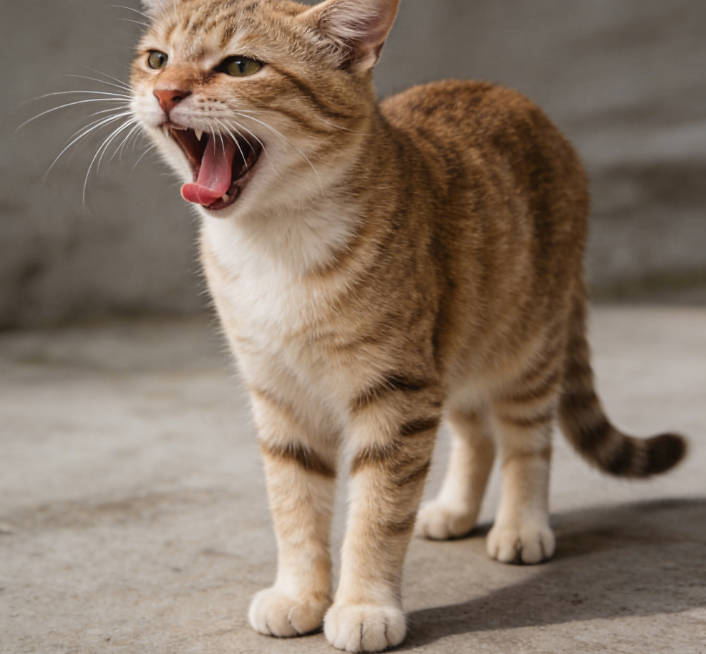
Increased attachment behaviors (40%) often reflect anxiety and stress, indicating internal feelings of separation.
- Territory-related behaviors: Search articles... the deceased companion’s spots = 36%, Avoiding favorite spots = 5%, Seeking higher locations = 13%, Increased hiding = 9%, No change = 37%
A 1996 survey confirmed that 41% of cats separated from a companion search areas previously occupied by that companion. Summary: Cats increased exploratory behavior, 41% searched the former companion’s favorite spots, vocalizations increased by 43%, volume increased by 32%, and attachment behaviors increased by 40%. These indicate cats exhibit panic and discomfort, showing separation anxiety.
Stage Two: Depressive/Negative Phase
Do cats experience sadness at this stage? Data shows:
- Food intake: Increased = 9%, Decreased = 21%, Refused = 3%, No change = 67%
- Eating speed: Increased = 2%, Decreased = 12%, No change = 86%
- Sleep time: Increased = 20%, Decreased = 4%, Lost = 0%, No change = 76%
- Elimination frequency: Increased = 46%, Decreased = 8%, No change = 46%
- Aggression toward other companions: Increased = 12%, Decreased = 0%, No change = 88%
Summary: 23% of cats reduced food intake (1% refused), 12% slowed eating speed, suggesting stress due to companion loss. 20% increased sleep time, likely due to losing a playmate. 46% increased elimination frequency, a sign of pathological anxiety in separation. 12% increased aggression toward other pets, sometimes due to redirected stress behavior.
Overall, this study shows that cats experience both separation anxiety and signs of sadness when a companion pet passes away.
Comments (50)
Pet Lover
Great article! Very informative for pet owners.
Cat Parent
Thank you for sharing this helpful information!