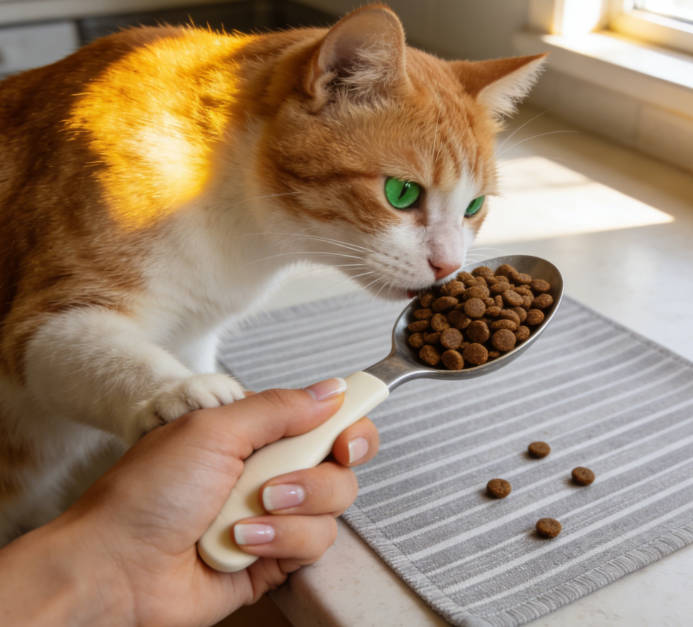
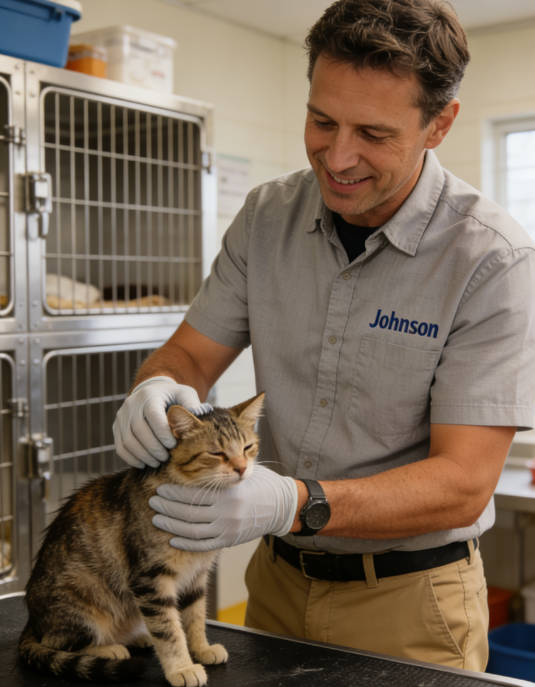
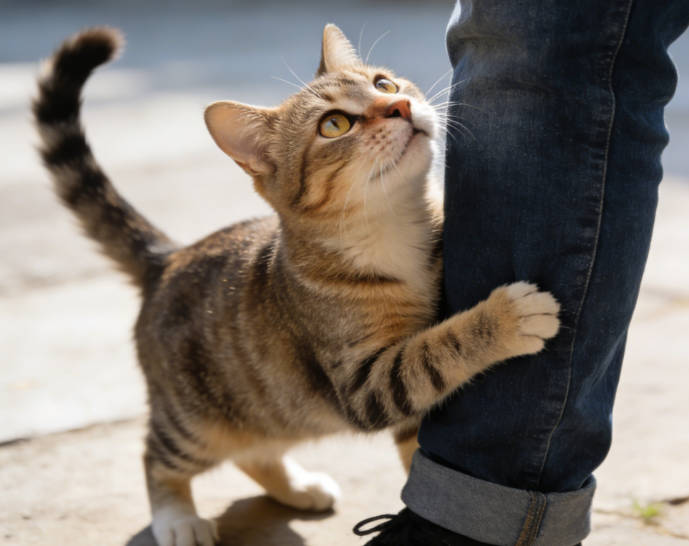
Have you ever noticed that when you are feeding your cat, it often rubs against your legs, just like this?
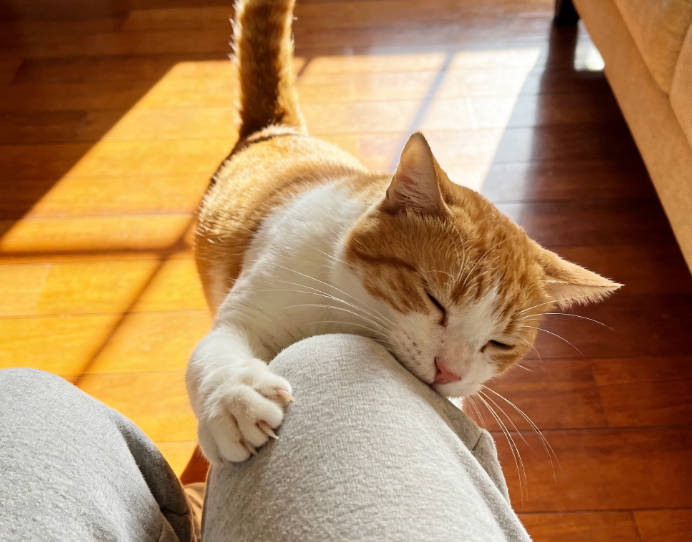
So, do you know why cats do this?
Today’s content: ① Why cats rub you before feeding ② Why cats rub you after feeding ③ Other meanings of rubbing
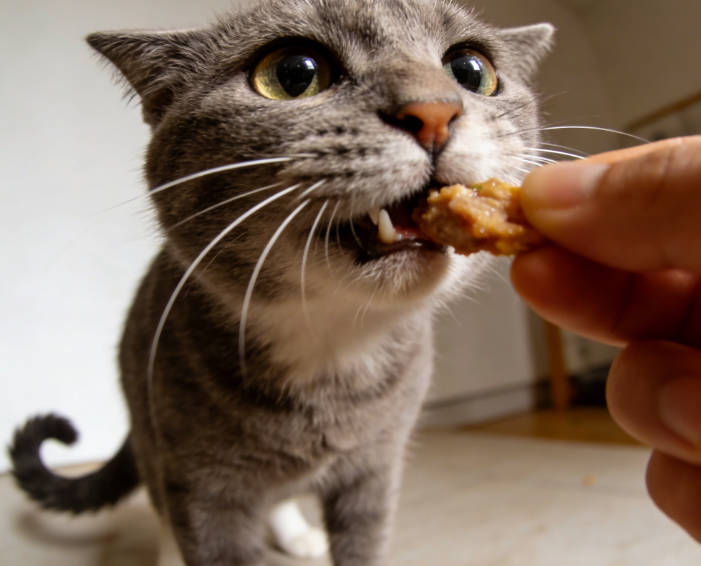
Why Cats Rub You Before Feeding
How do cats communicate with humans? Mainly through vocalizations and body language. Over the long domestication process, cats seem to have learned a 'petting code,' using different types of meows to attract human attention and indicate their emotions or needs. According to an article in the Journal of Veterinary Science, cats have at least 21 different types of meows, often used specifically for communication with humans.
When a cat is hungry, it usually starts by using vocalizations to get your attention: a mild purr at first, escalating to high-pitched meows if hunger persists. If the owner ignores or misinterprets these signals—for example, thinking the cat wants to be held rather than fed—the cat may resort to body language to convey its hunger.
Rubbing is one such body language. While rubbing alone may be ambiguous, cats often rub while meowing and moving close to the food bowl. This clearly indicates that they are hungry and expecting food. When you bring out the food, cats may rub even more energetically, expressing excitement and anticipation.
Summary:
So, rubbing before feeding mainly has two meanings:
- 1. Begging for food, indicating hunger
- 2. Expressing excitement and anticipation
Why Cats Rub You After Feeding
Even after being fed, cats may continue to rub against you. This can have several explanations:
Some cats want more food, especially in cold weather when they require higher caloric intake. Cats may also eat more due to prolonged hunger, pregnancy, high activity levels, or certain medical conditions. If a cat continues to rub after feeding, keep an eye on their condition and appetite.
- 1. The cat is not fully satisfied:
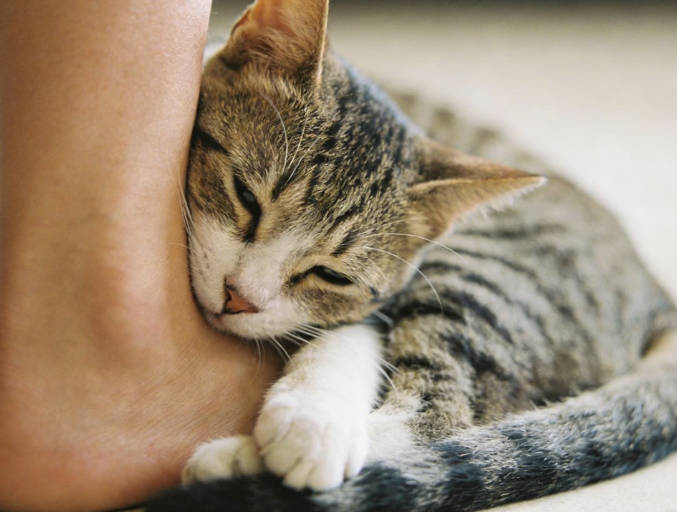
Rubbing is a common way cats show affection. Think of it as a cat’s way of giving a hug. When a cat rubs against you after eating, gently respond with soft pets. Avoid picking up the cat after feeding, as it may compress their stomach and cause discomfort. Gentle acknowledgment fosters mutual respect and strengthens your bond.
- 2. The cat is expressing gratitude:
Rubbing after feeding can also serve as a way to mark you as their own. Essentially, your cat is saying: 'Congratulations, you are my personal feeder; no one else is allowed to take this role!' Cats carefully guard what is important to them, including their human companions.
- 3. The cat is marking ownership:
Other Meanings of Rubbing
Besides signaling hunger, marking ownership, or expressing gratitude, cats may rub to seek attention or playtime. When a small creature comes rubbing against you asking for pets, it’s hard to refuse! Responding to this behavior positively strengthens the emotional connection and satisfies their social and emotional needs.
In summary, rubbing during feeding is a rich communication tool used by cats to convey hunger, excitement, affection, and territorial claims. Observing the context of rubbing and responding appropriately helps you understand your cat’s needs and enhances your bond with them.
Comments (50)
Pet Lover
Great article! Very informative for pet owners.
Cat Parent
Thank you for sharing this helpful information!